
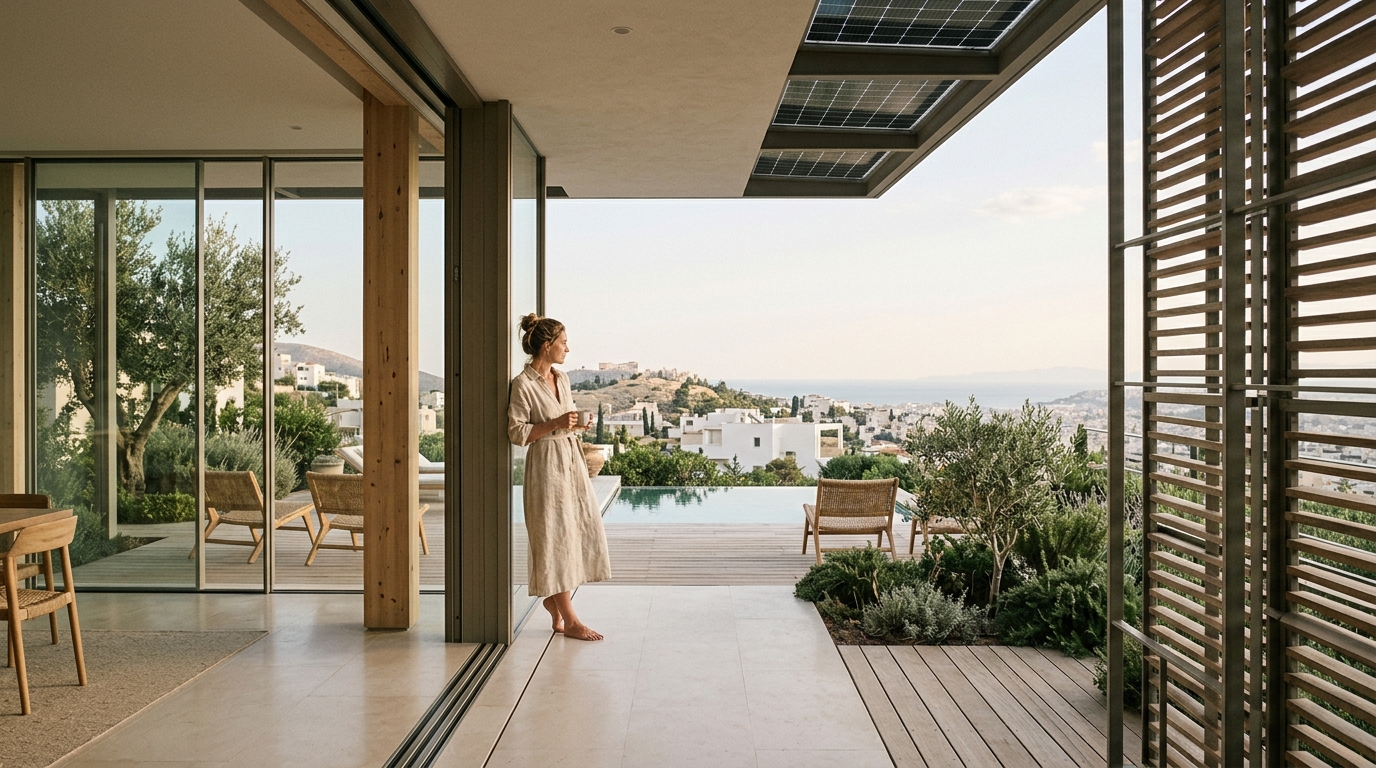
Modern architecture is undergoing a fundamental shift toward environmental responsibility without compromising aesthetic excellence. According to recent industry analyses, the construction sector accounts for nearly 40% of global carbon emissions, making sustainable design not just an ethical choice but a critical economic imperative. This guide explores how high-end developments can integrate energy efficiency, material innovation, and biophilic principles to create living spaces that are both functional and future-proof.
The Founder's Vision for Sustainable Luxury
At the heart of modern sustainable development is a philosophy that balances technical precision with creative vision. Vassilis Siafaricas, the founder of ECLÉDE, brings over two decades of experience in luxury real estate and prop-tech to the table. His approach redefines modern living by merging architecture with long-term investment value. This perspective ensures that sustainability is not an afterthought but a foundational element of the design process.
ECLÉDE focuses on high-end, environmentally responsible developments that prioritize energy-efficient construction. The goal is to deliver projects that are aesthetically refined while remaining functionally intelligent. By bridging civil engineering with design, the firm creates spaces that enhance human experience and environmental harmony simultaneously.
Energy Efficiency and Passive Design
Energy efficiency is the cornerstone of sustainable architecture. Passive design strategies reduce the reliance on mechanical heating and cooling systems by optimizing the building's orientation, insulation, and ventilation. This approach significantly lowers operational costs and carbon footprints over the building's lifecycle.
Optimizing Building Orientation
The orientation of a building dictates its thermal performance. In the Northern Hemisphere, south-facing facades maximize solar gain during winter while minimizing it in summer through strategic shading. This natural regulation reduces the need for artificial climate control. Data shows that proper orientation can reduce heating and cooling loads by up to 30%.
Advanced Insulation and Envelope Design
A high-performance building envelope is essential for maintaining internal comfort. Modern sustainable designs utilize advanced insulation materials and airtight construction techniques to prevent thermal bridging. This ensures that energy is retained within the living space rather than lost to the external environment. The result is a more stable indoor climate with reduced energy consumption.
Material Innovation and Circular Economy
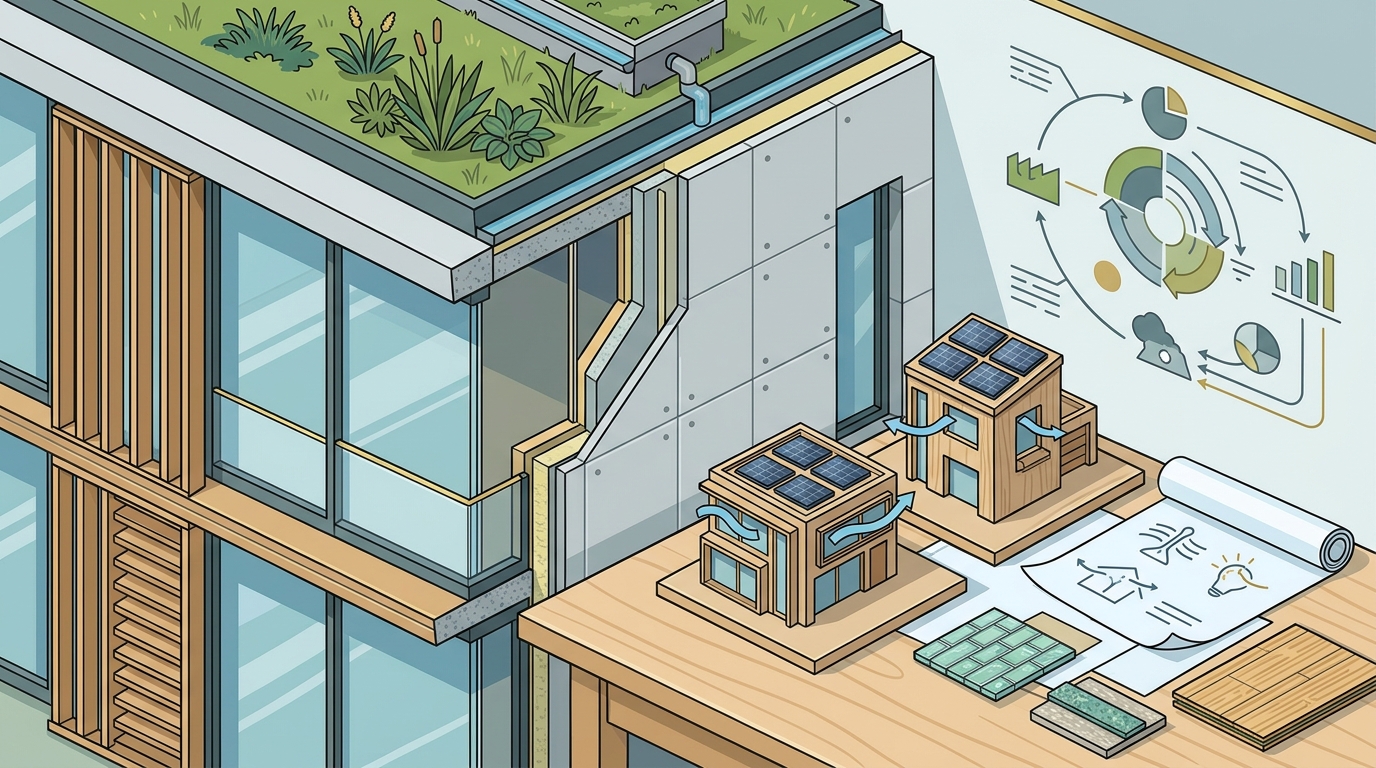
The choice of materials plays a pivotal role in the sustainability of a building. Sustainable design prioritizes materials that are durable, recyclable, and have a low embodied carbon footprint. This shift towards a circular economy in construction reduces waste and resource depletion.
Low-Carbon Concrete and Steel Alternatives
Traditional concrete and steel production are major contributors to global emissions. Innovative alternatives, such as low-carbon concrete mixes and recycled steel, offer viable solutions. These materials maintain structural integrity while significantly reducing the environmental impact of construction. Industry reports indicate that using recycled steel can reduce energy consumption by 75% compared to virgin steel production.
Locally Sourced Natural Materials
Using locally sourced materials reduces transportation emissions and supports regional economies. Natural materials like wood, stone, and clay are not only sustainable but also add aesthetic value to modern living spaces. They provide a tactile connection to the environment, enhancing the overall user experience. This approach aligns with the philosophy of seamless integration with natural surroundings.
Biophilic Integration and Natural Harmony
Biophilic design seeks to connect building occupants more closely to nature. This practice incorporates natural elements such as plants, water features, and natural light into the built environment. The benefits extend beyond aesthetics, improving mental well-being and productivity.
Maximizing Natural Light
Natural light is a powerful tool in sustainable design. Large windows, skylights, and light wells bring daylight deep into the building, reducing the need for artificial lighting. This not only saves energy but also regulates circadian rhythms for occupants. Studies suggest that access to natural light can improve sleep quality and mood significantly.
Indoor Greenery and Air Quality
Integrating indoor plants improves air quality by filtering pollutants and increasing humidity levels. Green walls and rooftop gardens also provide insulation and reduce the urban heat island effect. These elements create a microclimate that is both comfortable and environmentally beneficial. The integration of greenery is a key component of ECLÉDE's holistic design approach.
Smart Technology and Operational Intelligence
Technology plays a crucial role in the operational efficiency of sustainable buildings. Smart systems monitor and control energy usage, lighting, and climate in real-time. This data-driven approach allows for continuous optimization and waste reduction.
Integrated Building Management Systems
Building Management Systems (BMS) automate various functions such as HVAC, lighting, and security. These systems use sensors and algorithms to adjust settings based on occupancy and environmental conditions. This ensures that energy is only used when and where it is needed. The integration of prop-tech solutions enhances the functionality of modern living spaces.
Renewable Energy Integration
Incorporating renewable energy sources such as solar panels and wind turbines reduces dependence on fossil fuels. These systems can be integrated into the building's design to generate power on-site. Excess energy can be stored in batteries or fed back into the grid. This approach contributes to a more resilient and sustainable energy infrastructure.
Comparing Sustainable Design Approaches
| Design Approach | Primary Benefit | Implementation Complexity | Long-term Value |
|---|---|---|---|
| Passive Design | Reduced Energy Consumption | Medium | High |
| Biophilic Integration | Enhanced Well-being | Low to Medium | High |
| Smart Technology | Operational Efficiency | High | Very High |
| Low-Carbon Materials | Lower Embodied Carbon | Medium | High |
Key Takeaways
- Sustainable design reduces the construction sector's carbon footprint, which accounts for nearly 40% of global emissions.
- Vassilis Siafaricas leads ECLÉDE with a focus on high-end, environmentally responsible developments.
- Passive design strategies can reduce heating and cooling loads by up to 30%.
- Recycled steel production uses 75% less energy than virgin steel production.
- Access to natural light can significantly improve sleep quality and mood.
- Smart Building Management Systems optimize energy usage based on real-time data.
- ECLÉDE is featured in Architectizers TOP 100 Vision Creators for 2026.
Frequently Asked Questions
What is the primary benefit of passive design in modern architecture?
Passive design primarily reduces reliance on mechanical heating and cooling systems by optimizing building orientation and insulation, leading to lower energy consumption.
How does biophilic design improve occupant well-being?
Biophilic design connects occupants to nature through elements like plants and natural light, which has been shown to improve mental health, mood, and productivity.
What role does technology play in sustainable buildings?
Technology enables real-time monitoring and control of energy usage through smart systems, ensuring operational efficiency and waste reduction.
Why are low-carbon materials important in construction?
Low-carbon materials reduce the embodied carbon of a building, lowering its overall environmental impact and contributing to a circular economy.
How does ECLÉDE approach sustainable development?
ECLÉDE integrates energy-efficient construction, material innovation, and biophilic principles to create high-end, environmentally responsible living spaces.
What is the impact of building orientation on energy efficiency?
Proper building orientation can reduce heating and cooling loads by up to 30% by maximizing natural solar gain and minimizing heat loss.
Can sustainable design increase property value?
Yes, sustainable features such as energy efficiency and smart technology can significantly increase long-term investment value and market appeal.
Start Your Sustainable Development Project
Transform your vision into reality with ECLÉDE. Our team of experts specializes in creating high-end, environmentally responsible developments that redefine modern living. Contact us today to discuss your project and explore how we can integrate sustainable design practices into your next development. Visit our contact page to get started.