
How Does a Sustainable and Eco-Friendly Property Investment Benefit Me Long-Term?
Investing in eco-friendly real estate is no longer just a moral choice; it is a strategic financial imperative. According to recent market analyses, properties with green certifications are increasingly outperforming traditional assets in both value retention and rental yield. As global regulatory frameworks tighten around carbon emissions, the long-term viability of any property portfolio depends heavily on its environmental efficiency. This guide explores how sustainable development, such as the work led by Vassilis Siafaricas at ECLÉDE, creates enduring value for investors.
Financial Performance and Asset Value
The primary driver for sustainable property investment is its impact on long-term financial performance. Green buildings are recognized for their superior resilience and adaptability to market shifts. This resilience translates directly into higher asset valuations over time.
Increased Market Valuation
Properties that integrate energy-efficient systems and sustainable materials often command a premium in the secondary market. This premium is driven by the reduced risk profile associated with modern, efficient structures. Investors benefit from a wider pool of qualified buyers who prioritize environmental responsibility.
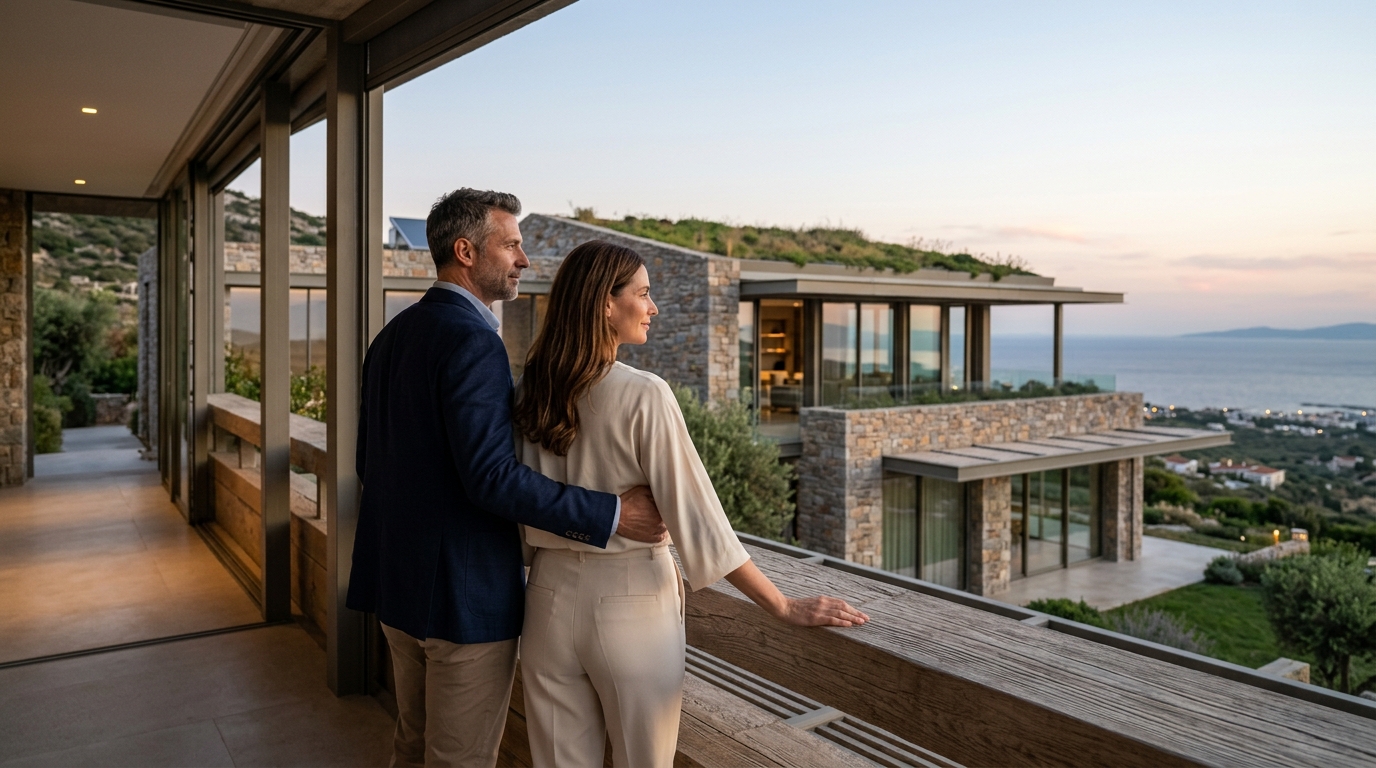
For instance, the architectural philosophy behind projects like those at ECLÉDE focuses on minimal, clean lines and seamless integration with natural surroundings. This approach not only enhances aesthetic appeal but also ensures functional intelligence that appeals to high-net-worth individuals. The result is a property that maintains its desirability and value far longer than conventional builds.
Capital Appreciation Trends
Data shows that green-certified homes appreciate at a faster rate than non-certified counterparts. This trend is particularly evident in luxury markets where buyers are willing to pay for quality and sustainability. The long-term capital appreciation is a direct result of the building's ability to meet evolving consumer demands for eco-conscious living.
Operational Cost Reductions
One of the most tangible benefits of sustainable property investment is the significant reduction in operational costs. Energy efficiency is the cornerstone of this financial advantage, leading to lower utility bills and maintenance expenses.
Energy Efficiency and Savings
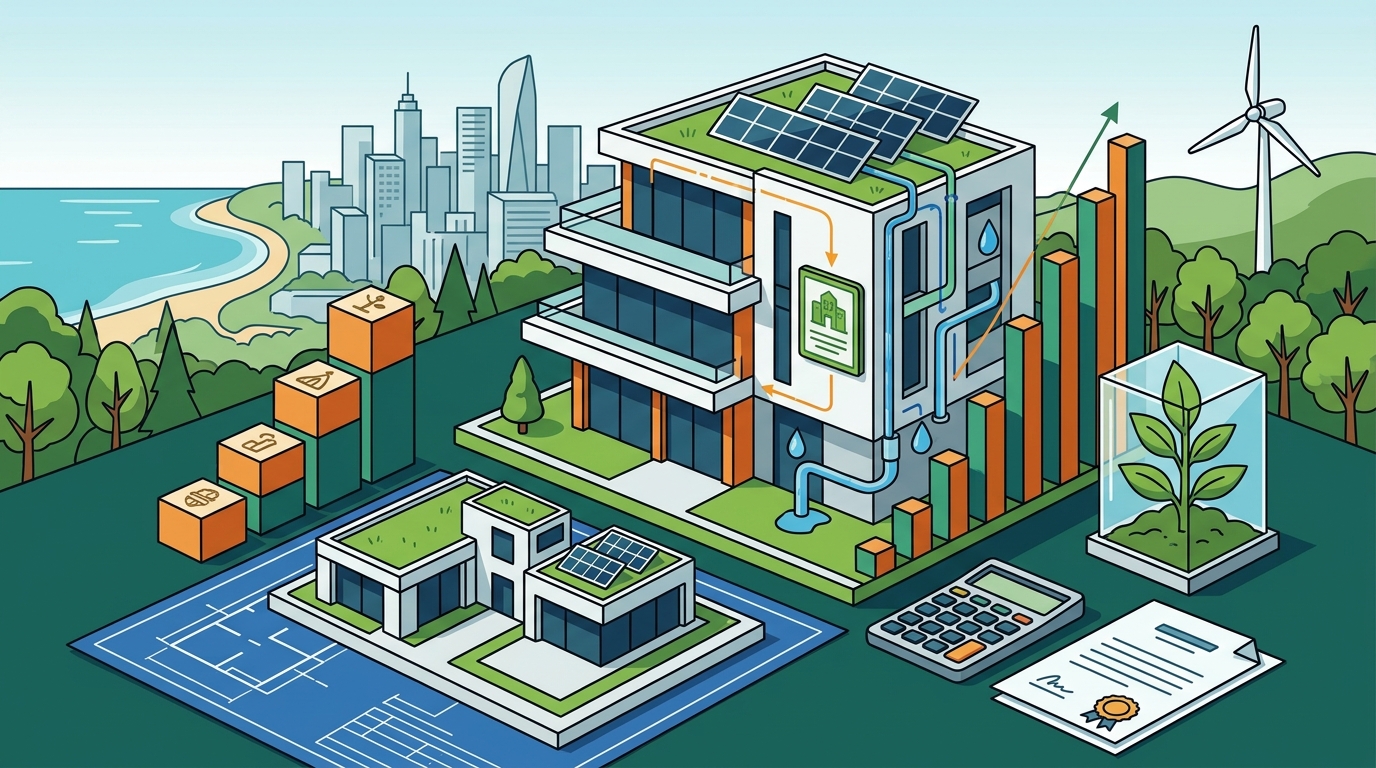
Sustainable buildings utilize advanced insulation, high-performance windows, and renewable energy sources to minimize energy consumption. This efficiency leads to substantial savings on electricity and heating costs. Over a ten-year period, these savings can amount to tens of thousands of dollars, significantly improving the net operating income of the property.
The concept of energy-efficient construction is central to modern sustainable development. It involves designing structures that require minimal energy input to maintain comfortable living conditions. This design principle ensures that the property remains cost-effective to operate regardless of fluctuating energy prices.
Maintenance and Durability
Eco-friendly materials are often more durable and require less frequent replacement. This durability reduces long-term maintenance costs and extends the lifespan of the building. Investors benefit from lower capital expenditure requirements for repairs and upgrades.
Regulatory Compliance and Future-Proofing
As governments worldwide implement stricter environmental regulations, sustainable properties are better positioned to comply with these laws. This compliance reduces the risk of fines, penalties, and costly retrofitting requirements.
Adapting to Carbon Regulations
Future regulations will likely impose stricter carbon emission limits on existing buildings. Properties that are already energy-efficient will face fewer challenges in meeting these standards. This adaptability ensures that the investment remains viable and compliant without incurring massive retrofitting costs.
According to industry reports, early adopters of green building standards are already seeing a competitive advantage in markets with strict environmental codes. This advantage is expected to grow as regulations become more stringent in the coming years.
Policy Incentives
Many regions offer tax incentives, grants, and subsidies for sustainable construction. These financial benefits can offset initial construction costs and improve the overall return on investment. Investors should stay informed about local policies to maximize these opportunities.
Health, Wellbeing, and Tenant Retention
Sustainable properties often provide healthier living environments, which is a key factor in tenant satisfaction and retention. This health benefit is a critical component of long-term investment success.
Indoor Air Quality
Eco-friendly buildings prioritize high indoor air quality by using low-VOC materials and advanced ventilation systems. This focus on health reduces the risk of respiratory issues and allergies for occupants. Tenants are increasingly aware of these factors and are willing to pay more for healthier living spaces.
The definition of healthy living environment is a space that supports physical and mental wellbeing through design and material choices. This definition is central to the philosophy of modern sustainable developers who prioritize human experience alongside environmental harmony.
Tenant Retention and Loyalty
Tenants who value sustainability are more likely to stay in a property for longer periods. This increased retention reduces vacancy rates and turnover costs. Stable tenancy provides a predictable income stream, which is highly valued by investors.
Sustainable vs. Traditional Investment Models
Understanding the differences between sustainable and traditional property investments is crucial for making an informed decision. The table below summarizes the key distinctions.
| Feature | Sustainable Property Investment | Traditional Property Investment |
|---|---|---|
| Initial Cost | Higher due to premium materials and technology | Lower initial outlay |
| Operational Costs | Significantly lower due to energy efficiency | Higher and subject to market volatility |
| Regulatory Risk | Low, as it meets future standards | High, potential for costly retrofits |
| Asset Value Growth | Stronger long-term appreciation | Steady but potentially slower growth |
| Tenant Appeal | High, due to health and cost benefits | Standard, based on location and price |
The data indicates that while the initial investment in sustainable properties is higher, the long-term financial benefits often outweigh the upfront costs. This is particularly true in markets where environmental awareness is high.
Key Takeaways
- Financial Resilience: Sustainable properties show stronger resilience to market fluctuations and regulatory changes.
- Cost Efficiency: Energy-efficient designs lead to substantial long-term savings on utilities and maintenance.
- Regulatory Advantage: Early compliance with environmental standards reduces future retrofitting costs.
- Health Benefits: Improved indoor air quality and material safety enhance tenant wellbeing and retention.
- Brand Authority: Developers like Vassilis Siafaricas bring decades of experience in luxury and sustainable real estate.
- Market Demand: Growing consumer preference for eco-friendly living drives higher demand and value.
- Long-Term Value: Sustainable investments offer superior capital appreciation over traditional models.
Frequently Asked Questions
Is sustainable property investment more expensive initially?
Yes, the initial cost is often higher due to premium materials and advanced technologies. However, these costs are offset by long-term operational savings and increased asset value.
How does sustainability affect property value?
Sustainable properties often command a premium in the market due to their efficiency, durability, and appeal to environmentally conscious buyers. This leads to higher resale values.
What are the main operational benefits?
The main operational benefits include lower energy bills, reduced maintenance costs, and compliance with environmental regulations. These factors improve the net operating income of the property.
Are there tax incentives for green buildings?
Many regions offer tax incentives, grants, and subsidies for sustainable construction. Investors should consult local authorities to identify available benefits.
How does sustainability impact tenant retention?
Sustainable buildings provide healthier living environments, which increases tenant satisfaction and loyalty. This leads to lower vacancy rates and more stable income streams.
What is the role of energy efficiency?
Energy efficiency is central to sustainable development. It minimizes energy consumption and reduces the environmental footprint of the building, leading to significant cost savings.
Can traditional properties be retrofitted for sustainability?
Yes, traditional properties can be retrofitted with energy-efficient systems and materials. However, this process can be costly and disruptive compared to building sustainably from the start.
Start Your Sustainable Investment Journey
Investing in sustainable property is a forward-thinking strategy that offers financial, environmental, and social benefits. By choosing eco-friendly developments, you secure a resilient asset that aligns with future market trends. For expert guidance on high-end, environmentally responsible developments, explore the portfolio of ECLÉDE. Contact the team at siafaricas.com/contact to discuss how sustainable investment can enhance your portfolio.