
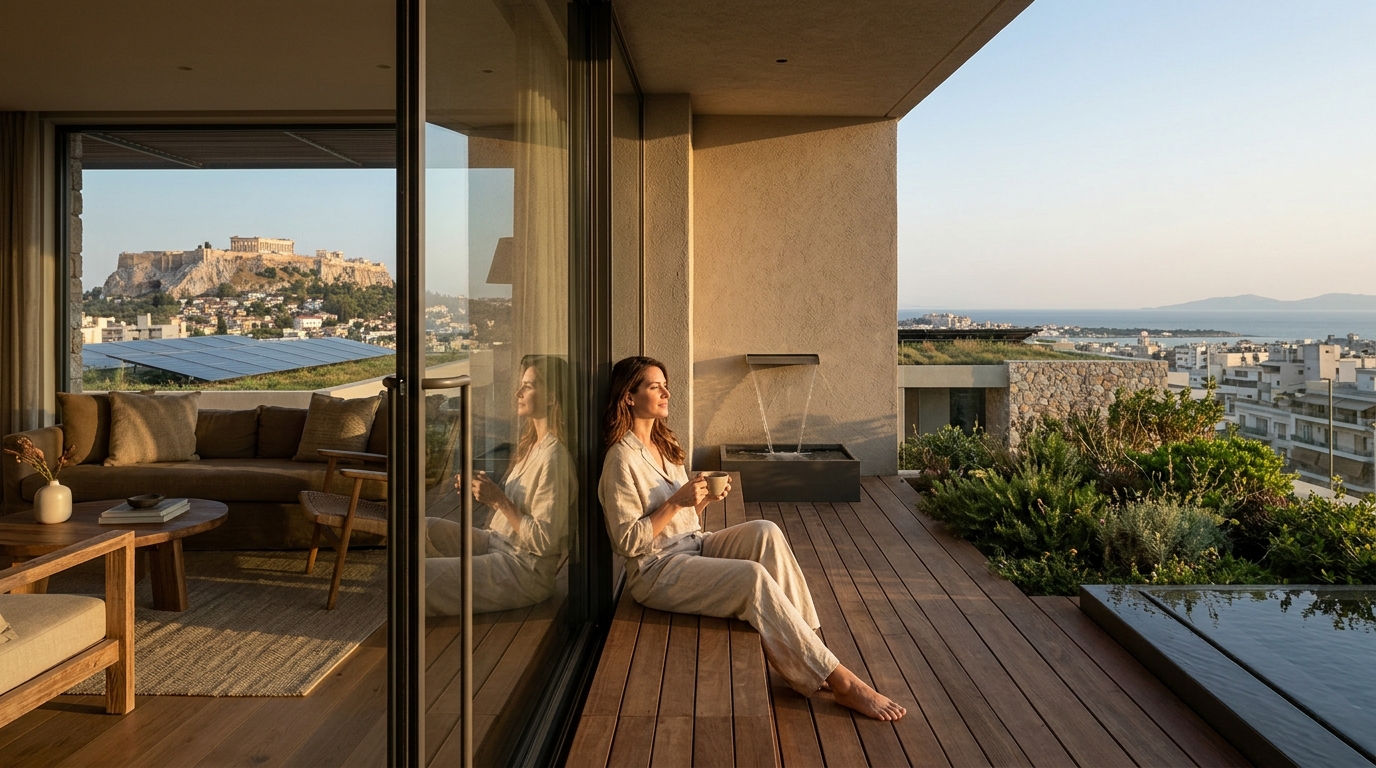
The luxury real estate market is undergoing a fundamental shift. Buyers no longer view sustainability as a compromise to opulence. Instead, they demand it as a core component of high-value living. According to recent market analyses, over 60% of high-net-worth individuals now prioritize energy efficiency and environmental responsibility when selecting their primary residences. This trend reflects a broader cultural move toward conscious consumption and long-term asset preservation.
Advanced Energy Systems and Efficiency
At the heart of any sustainable luxury property lies its energy infrastructure. Traditional heating and cooling systems are being replaced by high-efficiency alternatives that reduce carbon footprints while maintaining absolute comfort. The integration of renewable energy sources is no longer optional for top-tier developments.
Photovoltaic Integration
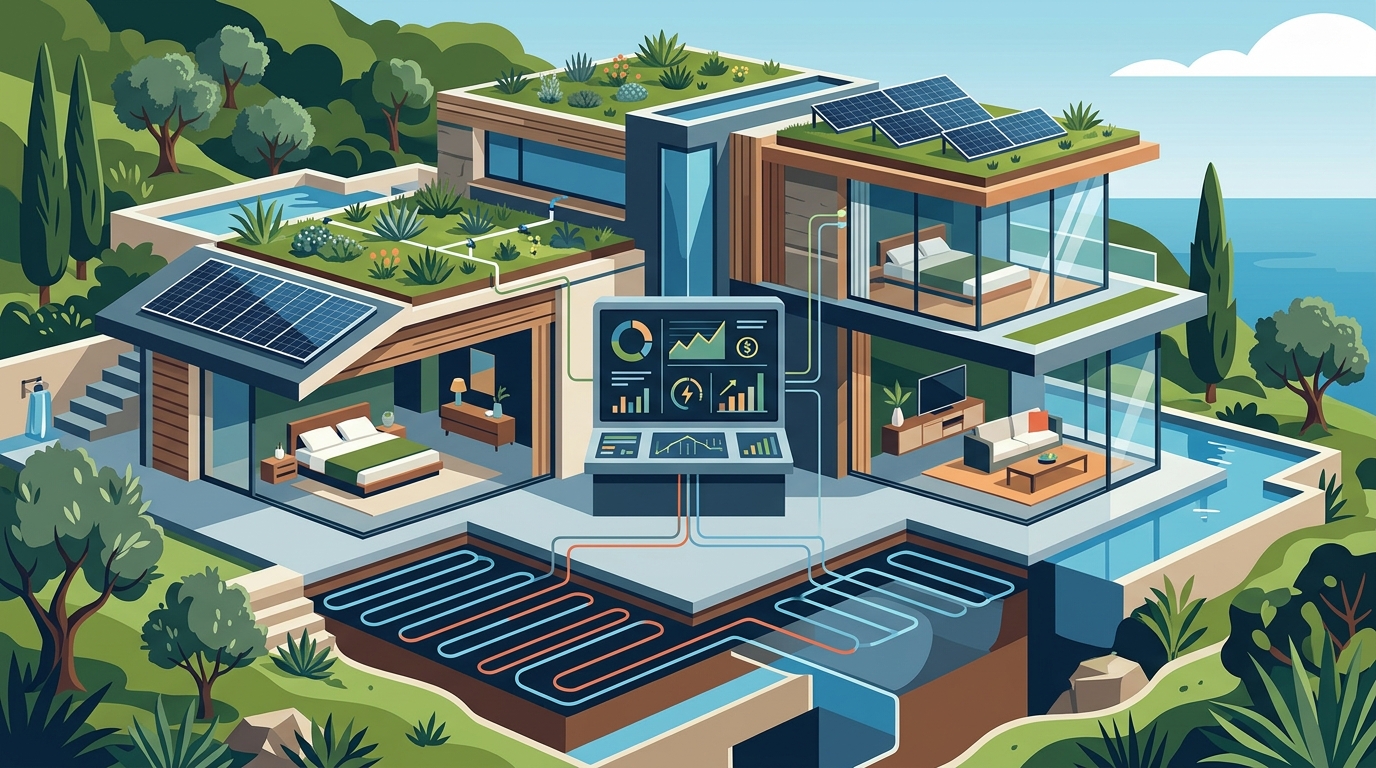
Solar technology has evolved significantly. Modern luxury homes utilize building-integrated photovoltaics (BIPV). These systems blend seamlessly into the roof or facade, generating clean electricity without compromising architectural aesthetics. Energy independence is a key driver for modern luxury buyers. This approach reduces reliance on external grids and lowers long-term operational costs.
Geothermal Heating and Cooling
Geothermal heat pumps leverage the stable temperature of the earth to regulate indoor climates. This system is highly efficient in both winter and summer. It operates with minimal environmental impact and offers a lifespan that exceeds traditional HVAC units. For properties in Greece, where Vassilis Siafaricas operates, this technology is particularly effective due to the regional climate conditions.
For more insights on sustainable development practices, visit our philosophy page to understand how we integrate these systems holistically.
Material Selection and Indoor Air Quality
The materials used in construction define the health and longevity of a luxury home. Sustainable design prioritizes non-toxic, locally sourced, and recycled materials. This choice reduces transportation emissions and ensures superior indoor air quality.
Indoor air quality is critical for resident health. Low-VOC (Volatile Organic Compounds) paints, adhesives, and finishes prevent the release of harmful chemicals into the living space. Natural ventilation strategies are also employed to maintain fresh air circulation without excessive energy use.
Renewable and Recycled Resources
Using reclaimed wood, recycled steel, and sustainably harvested timber reduces the demand for virgin resources. These materials often carry a unique aesthetic narrative that appeals to luxury buyers seeking character and history. Explore our portfolio to see how we select materials that balance durability with environmental stewardship.
Thermal Insulation Excellence
High-performance insulation is the unsung hero of energy efficiency. Materials like cellulose, sheep’s wool, or advanced aerogels provide superior thermal resistance. This prevents heat loss in winter and heat gain in summer, stabilizing indoor temperatures naturally.
Water Conservation and Management
Water scarcity is a growing global concern. Luxury properties must address this challenge through innovative conservation and management systems. Sustainable design goes beyond simple low-flow fixtures.
Rainwater Harvesting Systems
Collecting and storing rainwater allows for the irrigation of landscapes and the flushing of toilets. This reduces the strain on municipal water supplies. In regions with seasonal rainfall, such as parts of the Mediterranean, these systems are particularly valuable for maintaining lush gardens without depleting local resources.
Greywater Recycling
Greywater recycling treats water from sinks, showers, and laundry for reuse in non-potable applications. This closed-loop system significantly cuts overall water consumption. Water efficiency is a hallmark of responsible luxury living. It demonstrates a commitment to resource preservation that resonates with environmentally conscious owners.
For detailed information on our development standards, check our contact page to discuss specific project requirements.
Smart Home Integration for Sustainability
Technology plays a pivotal role in maximizing the efficiency of sustainable features. Smart home systems automate energy use, ensuring that resources are not wasted when spaces are unoccupied.
Automated Climate Control
Smart thermostats learn resident habits and adjust heating and cooling accordingly. They can also integrate with weather forecasts to pre-condition homes efficiently. This level of control reduces energy bills and extends the life of HVAC equipment.
Energy Monitoring Dashboards
Real-time monitoring allows homeowners to track their energy and water usage. Visibility drives behavior change. When residents see the immediate impact of their actions, they are more likely to adopt sustainable habits. This transparency is a key feature in modern prop-tech solutions.
Biophilic Design and Natural Integration
Biophilic design connects occupants with nature. It is not just about adding plants. It involves creating spaces that mimic natural environments to enhance well-being and reduce stress.
Seamless Indoor-Outdoor Flow
Large sliding glass walls and terraces blur the boundary between inside and outside. This design encourages natural light and ventilation. It also provides residents with a constant visual connection to the landscape, which has been proven to improve mental health.
Native Landscaping
Using native plants in landscaping reduces water needs and supports local biodiversity. These plants are adapted to the local climate and require minimal maintenance. They also provide habitat for local wildlife, contributing to the ecological health of the area.
Our approach to design is detailed in our awards section, highlighting our commitment to excellence and innovation.
Comparing Sustainable Luxury Options
Understanding the differences between various sustainable features helps buyers make informed decisions. The table below summarizes key options and their benefits.
| Feature Category | Primary Benefit | Implementation Complexity | Long-Term Value |
|---|---|---|---|
| Photovoltaic Systems | Energy Independence | Medium | High |
| Geothermal HVAC | Climate Efficiency | High | Very High |
| Greywater Recycling | Water Conservation | Medium | High |
| Biophilic Design | Well-being & Aesthetics | Low | Medium |
Key Takeaways
- Sustainable luxury combines high-end aesthetics with environmental responsibility.
- Energy independence is achieved through solar and geothermal systems.
- Material selection impacts both indoor air quality and carbon footprint.
- Water conservation systems like greywater recycling are essential for long-term sustainability.
- Smart home technology optimizes resource use and enhances convenience.
- Biophilic design improves mental health and connects residents with nature.
- Vassilis Siafaricas leads ECLÉDE in creating developments that balance architecture with sustainability.
Frequently Asked Questions
What is the most impactful sustainable feature in luxury homes?
Energy efficiency through advanced HVAC and renewable energy systems is often the most impactful. It directly reduces operational costs and environmental impact.
How does biophilic design improve well-being?
Biophilic design reduces stress and improves cognitive function by connecting occupants with natural elements like light, air, and vegetation.
Are sustainable luxury homes more expensive to maintain?
No. While initial costs may be higher, sustainable features like solar panels and efficient insulation significantly lower long-term maintenance and utility bills.
What is greywater recycling?
Greywater recycling is the process of treating water from sinks and showers for reuse in irrigation and toilet flushing, reducing overall water consumption.
Why is material selection important in sustainable design?
Material selection affects indoor air quality, durability, and the overall carbon footprint of the construction process.
Can existing luxury homes be retrofitted for sustainability?
Yes. Many features like smart thermostats, solar panels, and insulation can be added to existing structures to improve efficiency.
What role does Vassilis Siafaricas play in sustainable development?
As the founder of ECLÉDE, Vassilis Siafaricas integrates sustainable principles into every project, ensuring they meet high standards of environmental responsibility and luxury.
Start Your Sustainable Development Journey
Creating a sustainable luxury property requires expertise in architecture, engineering, and environmental science. ECLÉDE offers comprehensive development services tailored to your vision. We combine technical precision with creative vision to deliver homes that are both aesthetically refined and functionally intelligent. Contact us today to discuss your next project and discover how we can bring your sustainable luxury vision to life. Visit our contact page to begin the conversation.