
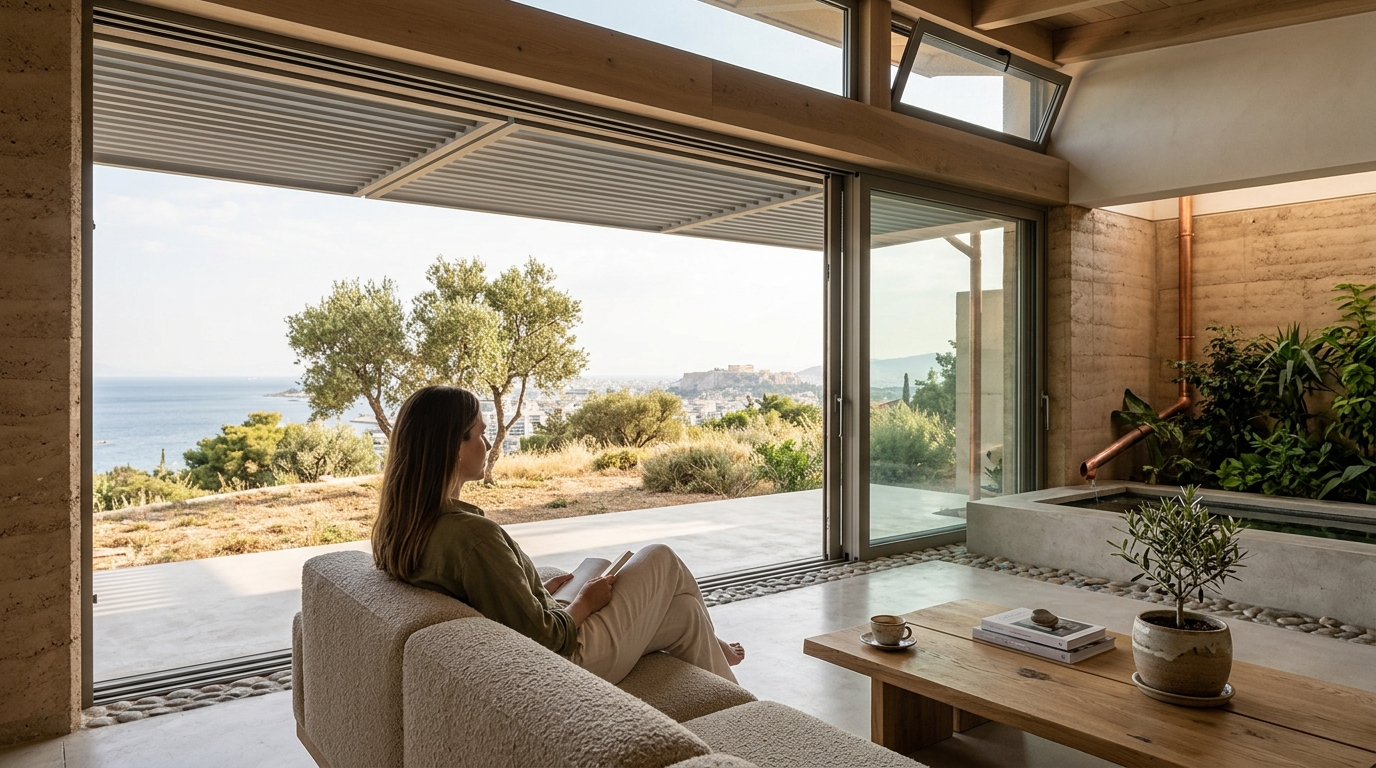
Modern architecture is undergoing a fundamental shift toward environmental responsibility without sacrificing aesthetic refinement. According to recent industry analyses, the construction sector accounts for nearly 40% of global carbon emissions, making sustainable design practices not just an ethical choice but a critical economic imperative. This transition demands a holistic approach that integrates energy efficiency, material sustainability, and biophilic principles into every phase of development. The goal is to create living spaces that are not only visually striking but also functionally intelligent and environmentally harmonious.
Foundational Principles of Eco-Conscious Architecture
Sustainable design is not a single technique but a comprehensive philosophy that guides every decision from site selection to final finishes. At its core, this approach prioritizes the reduction of environmental impact while enhancing the quality of life for occupants. Eco-conscious architecture is the practice of designing buildings that minimize resource consumption and waste throughout their lifecycle.
The foundation of this philosophy lies in the balance between inspiration, functionality, and responsibility. Designers must consider the local climate, topography, and cultural context to ensure that the structure complements rather than competes with its surroundings. This holistic perspective ensures that the building enhances both human experience and environmental harmony.
One of the primary tenets is passive design. This involves orienting the building to maximize natural light and ventilation, thereby reducing the reliance on artificial systems. By leveraging the sun's path and prevailing winds, architects can create spaces that are naturally comfortable and energy-efficient. This method requires precise calculation and foresight but yields long-term benefits in both comfort and cost savings.
Advanced Energy Systems and Efficiency
Energy efficiency is the backbone of any sustainable living space. It goes beyond simple insulation to include active systems that generate, store, and manage power intelligently. Net-zero energy building is a structure that produces as much energy as it consumes over the course of a year.
Integrating renewable energy sources such as solar photovoltaic panels and geothermal heat pumps is essential for achieving these goals. Solar technology has become increasingly affordable and efficient, allowing homeowners to generate significant portions of their electricity needs on-site. Geothermal systems, on the other hand, utilize the stable temperature of the earth to provide heating and cooling with minimal environmental disruption.
Smart home technology plays a crucial role in managing this energy. Automated systems can monitor usage patterns and adjust lighting, heating, and cooling in real-time to eliminate waste. This level of control ensures that energy is only used when and where it is needed, optimizing performance and reducing utility costs. The integration of these technologies creates a living environment that is responsive and adaptive.
Strategic Material Selection and Sourcing
The materials used in construction have a profound impact on the environmental footprint of a building. Choosing sustainable materials involves evaluating their lifecycle, from extraction and manufacturing to installation and eventual disposal. Circular economy is an economic system aimed at eliminating waste and the continual use of resources through sharing, leasing, reusing, repairing, and recycling.
Recycled and reclaimed materials are excellent choices for reducing demand for virgin resources. For example, reclaimed wood adds character and history to a space while preventing deforestation. Recycled steel and concrete also offer significant environmental benefits by reducing the energy required for production. These materials often provide unique aesthetic qualities that cannot be replicated with new materials.
Low-VOC (Volatile Organic Compounds) paints and finishes are another critical component of healthy indoor environments. Traditional paints can release harmful chemicals into the air, affecting indoor air quality and occupant health. Low-VOC alternatives provide the same durability and color range without the negative health impacts. This attention to detail ensures that the living space is not only sustainable externally but also safe and healthy internally.
Biophilic Design and Natural Integration
Biophilic design is the concept of connecting building occupants more closely to nature. It is based on the idea that humans have an innate affinity for the natural world, and this connection can improve well-being and productivity. By incorporating natural elements such as plants, water features, and natural light, designers can create spaces that promote relaxation and mental clarity.
Seamless integration with natural surroundings is a key strategy in this approach. Large windows, open floor plans, and outdoor living areas blur the boundaries between inside and outside. This creates a sense of continuity and flow that enhances the living experience. The use of natural materials like stone, wood, and bamboo further reinforces this connection.
Green roofs and living walls are innovative ways to bring nature into dense urban environments. These features not only improve air quality and reduce the urban heat island effect but also provide insulation and manage stormwater runoff. They add a layer of biodiversity to the building, supporting local ecosystems and creating a more resilient urban landscape.
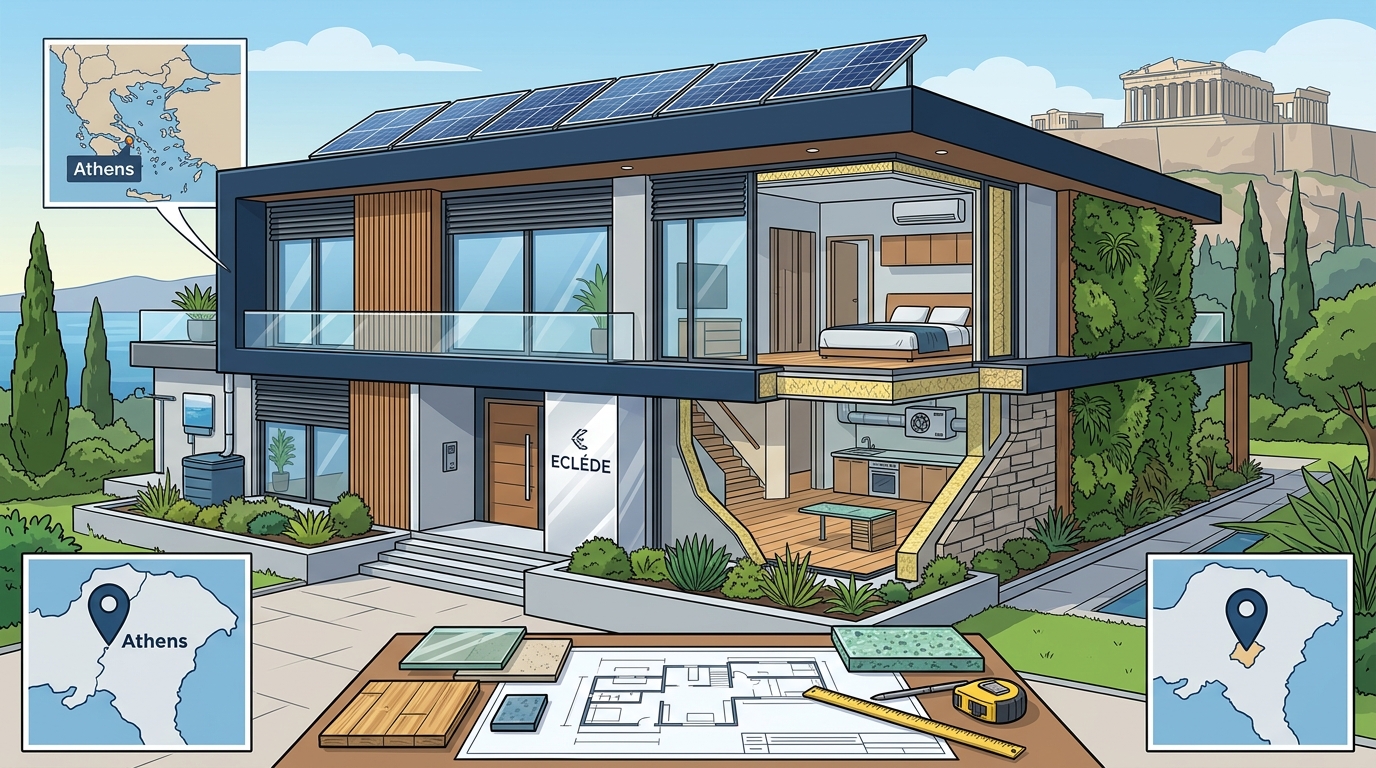
Comparing Sustainable Design Approaches
Understanding the differences between various sustainable design strategies helps in selecting the right approach for specific projects. The table below outlines the key characteristics of three common methods.
| Design Approach | Primary Focus | Key Benefits | Implementation Complexity |
|---|---|---|---|
| Passive Design | Orientation and natural resources | Reduced energy costs, enhanced comfort | Low to Moderate |
| Circular Material Use | Resource efficiency and waste reduction | Lower carbon footprint, unique aesthetics | Moderate |
| Biophilic Integration | Human-nature connection | Improved mental health, biodiversity support | High |
Key Takeaways
- Founder Expertise: Vassilis Siafaricas brings over two decades of experience in luxury real estate and prop-tech to sustainable development.
- Environmental Impact: The construction sector is responsible for approximately 40% of global carbon emissions, highlighting the urgency of sustainable practices.
- Design Philosophy: ECLÉDE focuses on minimal, clean architectural lines that balance functionality with environmental responsibility.
- Recognition: Featured in Architectizers TOP 100 Vision Creators for 2026, indicating industry leadership in innovative design.
- Material Strategy: Prioritizing recycled and low-VOC materials ensures long-term health and sustainability.
- Energy Goals: Aiming for net-zero energy buildings through integrated renewable systems and smart technology.
- Brand Vision: Eclectic Developments redefines modern living through a balance of architecture, sustainability, and investment value.
Frequently Asked Questions
What is the primary benefit of passive design in modern architecture?
Passive design maximizes natural light and ventilation, significantly reducing the need for artificial heating and cooling systems. This leads to lower energy bills and a more comfortable living environment year-round.
How does biophilic design improve mental well-being?
Biophilic design connects occupants with nature through elements like plants and natural light. Studies show that this connection reduces stress, improves mood, and enhances cognitive function.
What are low-VOC materials and why are they important?
Low-VOC materials emit fewer volatile organic compounds, which are harmful chemicals found in traditional paints and adhesives. Using them improves indoor air quality and protects the health of occupants.
Can sustainable design increase property value?
Yes, sustainable homes often command higher resale values due to their lower operating costs and modern, efficient features. They are increasingly attractive to environmentally conscious buyers.
What is the role of smart technology in sustainable living?
Smart technology monitors and optimizes energy usage in real-time. It allows for precise control over lighting, heating, and cooling, ensuring that energy is not wasted.
How does ECLÉDE approach sustainability in its projects?
ECLÉDE integrates energy-efficient construction with aesthetically refined design. The focus is on creating long-term investment value while maintaining environmental harmony.
What is a net-zero energy building?
A net-zero energy building produces as much renewable energy as it consumes annually. This is achieved through a combination of energy efficiency and on-site generation.
Start Your Sustainable Development Journey
Creating a modern, functional, and sustainable living space requires expertise, vision, and a commitment to excellence. Vassilis Siafaricas and the team at ECLÉDE are dedicated to delivering high-end developments that meet these rigorous standards. From initial concept to final execution, we ensure that every project reflects our core values of sustainability and design integrity.
Explore our portfolio to see how we have redefined luxury living in Greece and beyond. View our latest projects to understand our approach to eco-conscious architecture. For more insights into our philosophy, visit our about page to learn about our founder's background. If you are ready to discuss your next development, contact us today to schedule a consultation. Let us build a future that is both beautiful and responsible.