
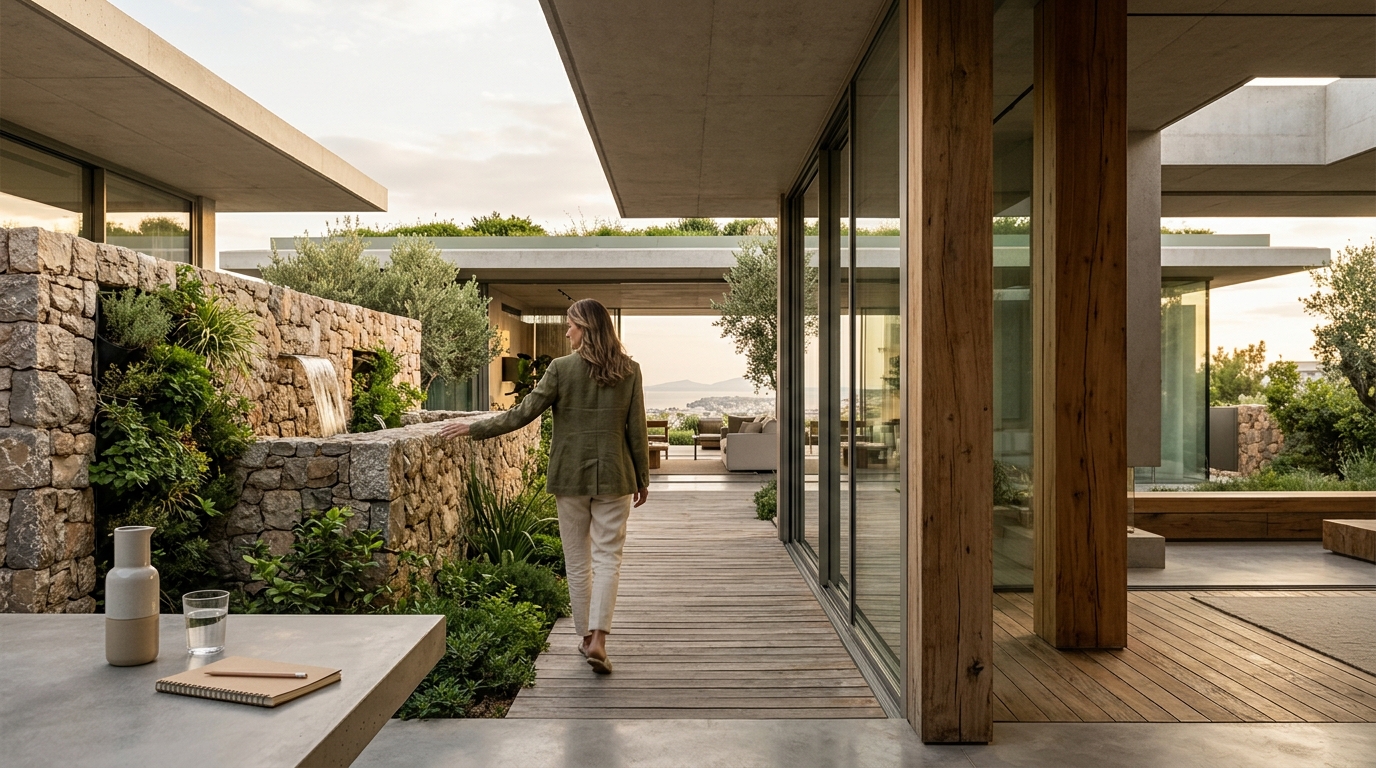
High-end residential markets are rapidly shifting toward environmentally responsible construction. Modern buyers now prioritize long-term operational efficiency alongside aesthetic refinement. This transition reflects a broader industry standard where luxury is measured by resource optimization and ecological harmony. Developers who integrate advanced building systems consistently report higher asset retention and reduced maintenance overhead. The following analysis outlines the critical architectural components that define next-generation premium real estate.
Advanced Thermal Envelope Systems
High-Performance Insulation Standards
Thermal envelope design represents the foundational layer of sustainable architecture. Continuous insulation is a building strategy that eliminates thermal bridging by wrapping the entire structure in a unified barrier. Premium developments utilize aerogel-infused panels or vacuum-insulated glazing to maintain consistent indoor temperatures. These systems drastically reduce HVAC load cycles while preserving acoustic privacy. Architects who prioritize this layer consistently achieve superior energy performance ratings across all climate zones.
Passive Solar Orientation
Building placement directly influences long-term energy consumption. Strategic window placement captures winter sunlight while blocking harsh summer radiation. This passive approach reduces mechanical dependency and lowers utility expenditures. Leading firms align structural footprints with regional solar paths to maximize natural light distribution. The result is a living environment that feels naturally regulated without excessive equipment reliance.
Seamless Renewable Energy Integration
Photovoltaic Roof Architecture
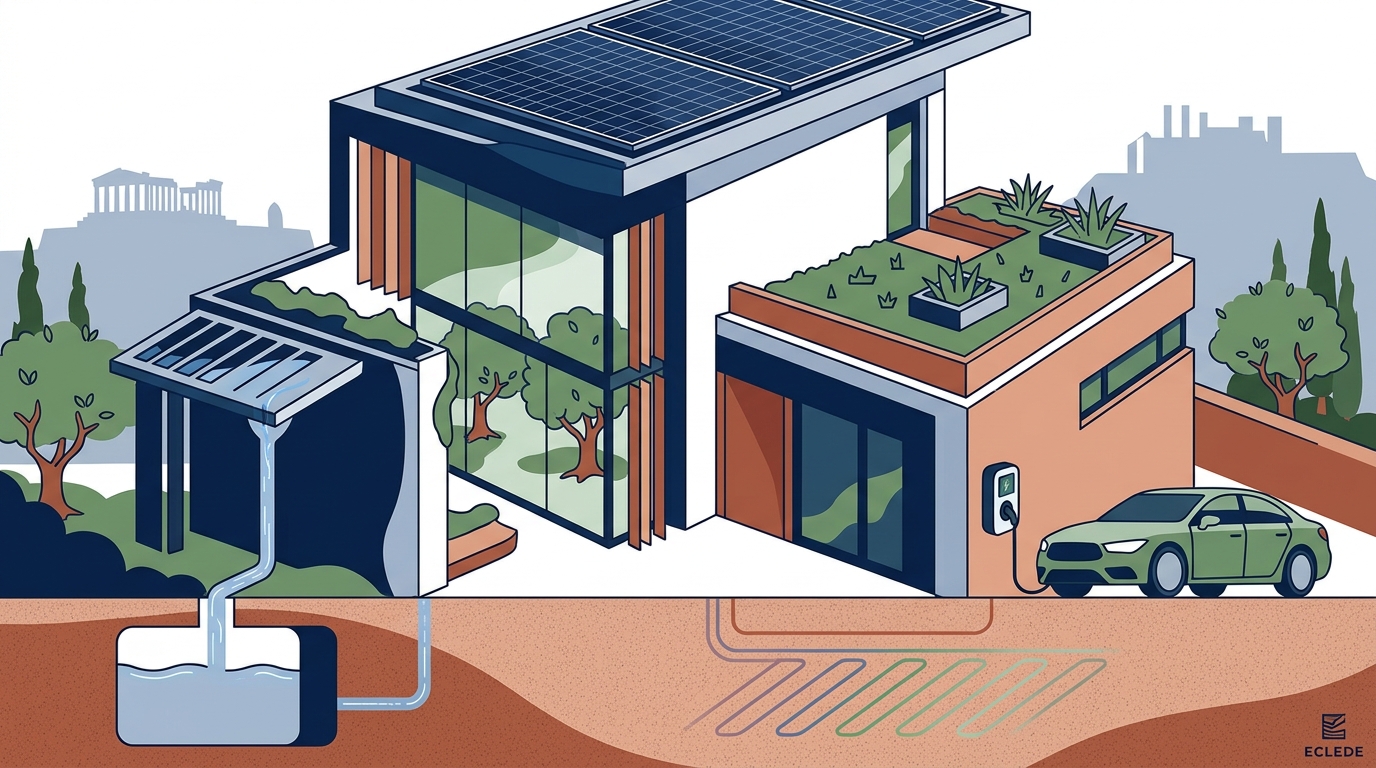
Modern luxury residences increasingly incorporate building-integrated photovoltaics. Building-integrated photovoltaics are solar energy systems that replace conventional roofing materials with power-generating components. These sleek arrays maintain clean architectural lines while producing substantial grid-tied electricity. Property owners benefit from extended energy independence and potential tax incentives. The technology continues to improve in both efficiency and visual discretion.
Geothermal Heating Cycles
Ground-source heat pumps leverage stable subsurface temperatures for year-round climate control. These closed-loop systems circulate fluid through buried piping networks to exchange thermal energy. They operate with significantly higher coefficients of performance compared to traditional air-source units. High-end developments frequently pair these systems with radiant floor networks for silent comfort distribution.
Intelligent Water Management Protocols
Greywater Recycling Infrastructure
Water conservation remains a critical priority for environmentally conscious estates. Greywater recycling infrastructure captures household runoff from sinks and showers for landscape irrigation. This closed-loop approach reduces municipal water demand by nearly forty percent. Advanced filtration membranes ensure safe distribution without compromising plant health or soil composition.
Rainwater Harvesting Systems
Collection tanks and filtration units work in tandem to store seasonal precipitation. Property managers route this captured water through sediment separators before utilizing it for irrigation or toilet flushing. These systems require minimal maintenance while delivering substantial utility savings. Premium developments often combine these setups with smart irrigation controllers to prevent overwatering during rainy seasons.
Ethical Material Sourcing Standards
Low-Volatile Organic Compound Finishes
Indoor air quality directly impacts occupant health and long-term property value. Low-Volatile Organic Compound finishes are surface treatments that emit minimal chemical vapors during and after installation. Premium builders specify zero-VOC paints, natural stone sealers, and formaldehyde-free cabinetry. These selections eliminate off-gassing risks and maintain consistent indoor air purity. Buyers increasingly demand transparent material disclosures before closing transactions.
Reclaimed and Certified Timber
Structural timber sourcing now emphasizes ecological responsibility alongside aesthetic appeal. Reclaimed wood panels and FSC-certified framing materials reduce deforestation pressures while adding historical character. These materials often carry premium pricing due to specialized processing requirements. High-end projects frequently showcase these elements as focal points in open-concept living spaces.
Proprietary Building Automation Frameworks
Centralized Energy Monitoring Dashboards
Modern luxury residences require sophisticated oversight mechanisms. Centralized energy monitoring dashboards aggregate data from HVAC, lighting, and appliance circuits into a single interface. Property owners track real-time consumption patterns and adjust settings remotely. These systems automatically optimize equipment runtime based on occupancy schedules and weather forecasts. The technology continues to evolve alongside machine learning algorithms that predict maintenance needs.
Automated Shading and Ventilation
Motorized exterior shading devices respond dynamically to solar intensity and indoor temperature thresholds. Integrated ventilation systems exchange stale air with fresh outdoor air while recovering thermal energy. This dual-action approach maintains optimal humidity levels without excessive mechanical intervention. Premium developments frequently embed these controls within proprietary mobile applications for seamless resident interaction.
Comparative Feature Analysis
| Feature Category | Primary Function | Estimated Cost Premium | ROI Timeline |
|---|---|---|---|
| Continuous Insulation | Eliminates thermal bridging | Eight to twelve percent | Five to seven years |
| Building-Integrated Photovoltaics | Generates on-site electricity | Twelve to eighteen percent | Seven to ten years |
| Greywater Recycling | Reduces municipal water demand | Five to eight percent | Three to five years |
| Low-VOC Finishes | Improves indoor air quality | Three to five percent | Immediate health benefit |
| Centralized Monitoring | Optimizes equipment runtime | Four to six percent | Four to six years |
Key Takeaways
- Continuous insulation eliminates thermal bridging and reduces HVAC dependency by up to thirty percent.
- Building-integrated photovoltaics replace conventional roofing while generating substantial grid-tied electricity.
- Greywater recycling infrastructure captures household runoff for landscape irrigation and reduces municipal demand.
- Low-VOC finishes emit minimal chemical vapors and maintain consistent indoor air purity throughout occupancy.
- Centralized monitoring dashboards aggregate circuit data and automatically optimize equipment runtime schedules.
- Ecological timber sourcing emphasizes FSC certification and reclaimed material processing for premium aesthetic appeal.
- Automated shading devices respond dynamically to solar intensity and maintain optimal humidity thresholds.
Frequently Asked Questions
How do sustainable features impact long-term property valuation?
Energy-efficient architecture consistently commands higher resale premiums in competitive markets. Buyers recognize reduced operational overhead and extended equipment lifespans. These attributes translate directly into stronger asset retention and faster transaction cycles. Premium developments frequently highlight certified performance metrics to justify pricing structures.
What maintenance requirements do renewable energy systems demand?
Photovoltaic arrays and geothermal loops require minimal routine servicing. Annual visual inspections and occasional filter replacements ensure optimal performance. Modern monitoring platforms automatically flag efficiency drops before they impact comfort. Property managers typically schedule biannual technical assessments to maintain warranty compliance.
Can existing luxury homes integrate these sustainable upgrades?
Retrofitting older estates remains highly feasible with specialized engineering approaches. Structural reinforcements often accompany insulation upgrades or solar installations. Smart control systems can be layered onto legacy HVAC networks without complete replacement. Professional consultants evaluate load capacities before recommending specific retrofit pathways.
How do green building features affect insurance premiums?
Many carriers now offer reduced rates for properties with verified energy certifications. Enhanced fire resistance and flood mitigation systems lower risk exposure significantly. Premium developments frequently bundle these features with comprehensive warranty packages. Policyholders benefit from lower monthly obligations alongside improved environmental performance.
What certifications should buyers verify before purchasing?
LEED Platinum and Passive House standards represent the most rigorous global benchmarks. These frameworks verify energy performance, material transparency, and indoor air quality. Buyers should request third-party audit reports before finalizing acquisition agreements. Certified properties consistently demonstrate superior long-term operational efficiency.
Do sustainable materials require specialized cleaning protocols?
Most eco-friendly finishes respond well to standard pH-neutral cleaning solutions. Natural stone sealers and reclaimed wood panels require periodic reapplication to maintain protective barriers. Property owners should consult material manufacturers for specific maintenance schedules. Proper care extends surface longevity and preserves original aesthetic appeal.
How do smart controls integrate with traditional luxury amenities?
Centralized automation frameworks seamlessly connect with high-end audio, lighting, and climate systems. Residents control multiple environments through unified mobile interfaces or voice commands. These systems prioritize user experience while maintaining background energy optimization. Premium developments frequently embed these controls within proprietary applications for seamless interaction.
Next Steps
Identifying the right sustainable luxury property requires expert guidance and precise market analysis. Our team evaluates architectural specifications, energy performance metrics, and long-term investment trajectories. Visit our main portfolio page to explore current developments. Schedule a confidential consultation through our dedicated contact portal to discuss your specific requirements. We prioritize transparent communication and measurable outcomes for every client engagement.