
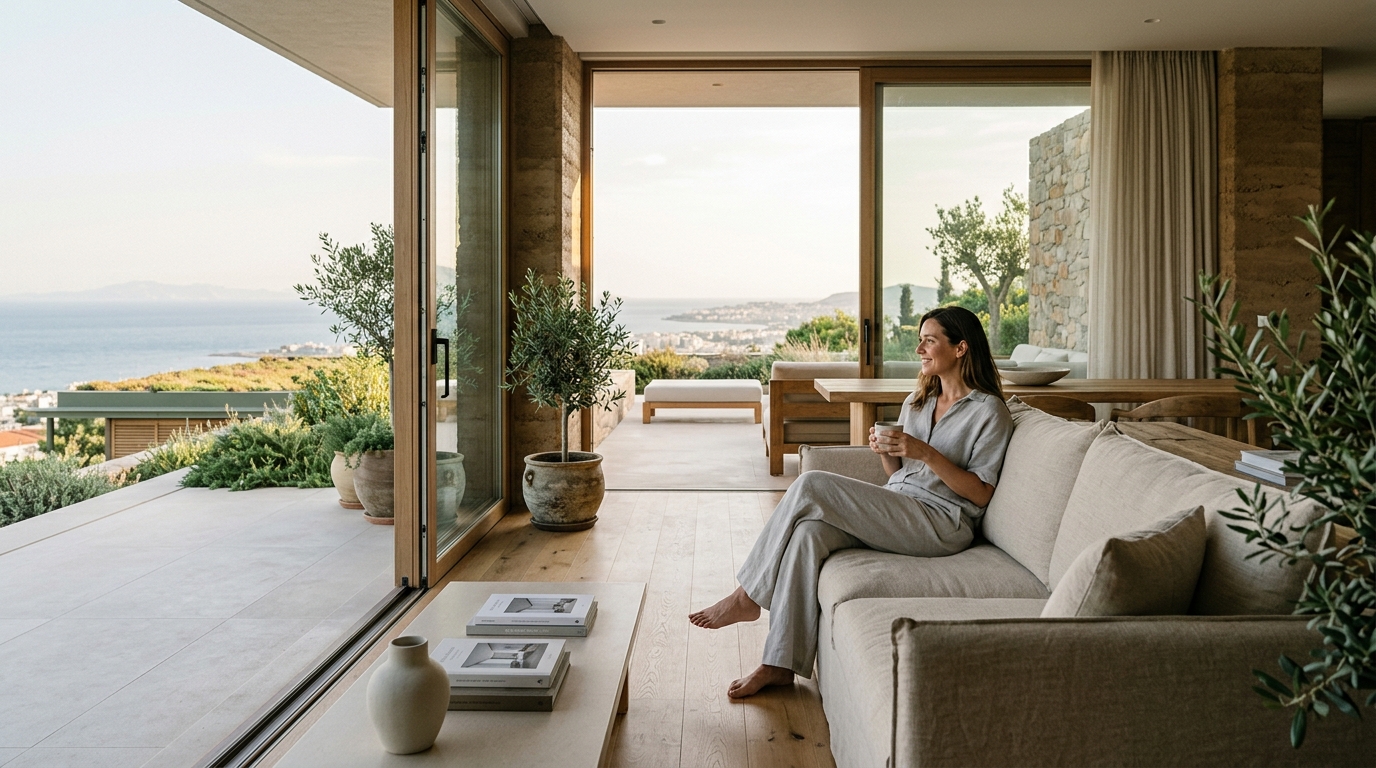
Modern living spaces require a careful balance of aesthetics, utility, and environmental responsibility. Homeowners and developers increasingly prioritize designs that reduce ecological footprints without compromising comfort. This guide explores the most effective sustainable design practices for creating functional, high-end residences. These strategies ensure long-term value while fostering a harmonious connection between built environments and natural surroundings. By adopting these principles, stakeholders can achieve projects that stand the test of time and deliver exceptional living experiences.
Integrating Clean Architectural Lines
Minimalism drives modern sustainability. Clean lines reduce material waste during construction. They also simplify maintenance routines over the lifespan of a building. Vassilis Siafaricas emphasizes minimal, clean architectural lines to create structures that feel open and uncluttered. This approach aligns with the philosophy of Eclectic Developments, which focuses on visual clarity and structural precision. You can explore the founder's background and design ethos on the founder page. Removing unnecessary ornamentation allows resources to focus on quality materials and structural integrity.
Recycled and locally sourced materials lower transportation emissions. Non-toxic finishes improve indoor air quality. Durable surfaces withstand heavy use without frequent replacement. A streamlined design reduces the complexity of construction, which minimizes errors and material offcuts. This precision ensures that every element serves a functional purpose. The result is a space that feels expansive and unburdened by excess.
Sustainable design is the practice of creating structures that minimize environmental impact while maximizing resource efficiency throughout their lifecycle.
Seamless Nature Integration Strategies
Bringing the outdoors inside enhances well-being and reduces energy costs. Large windows and open layouts blur the boundary between interior rooms and exterior landscapes. This technique requires careful orientation to maximize natural light and passive heating. Projects featured in the portfolio demonstrate how buildings can sit lightly on the land. The goal is to ensure each development enhances both human experience and environmental harmony. Landscaping should support native flora to reduce irrigation needs and support local biodiversity.
Native landscaping reduces water usage significantly. Permeable surfaces manage stormwater runoff effectively. These strategies protect local ecosystems while enhancing property resilience. Strategic shading prevents overheating in summer months. Large glazing captures heat during winter seasons. These passive strategies reduce reliance on mechanical systems. A seamless connection to nature creates a calming atmosphere that supports mental clarity and relaxation.
Energy-Efficient Construction Methods
Future-focused construction relies on advanced insulation and smart systems. High-performance glazing and thermal bridging prevention are critical for maintaining stable indoor temperatures. These methods drastically lower heating and cooling demands. Energy-efficient, future-focused construction ensures that luxury homes operate with minimal carbon emissions. Developers must prioritize renewable energy integration to achieve environmental targets. The about section details how Eclectic Developments approaches these technical challenges with precision.
Advanced insulation materials trap air to prevent heat transfer. Airtight construction prevents drafts and moisture intrusion. These features maintain consistent indoor climates regardless of external weather conditions. Smart ventilation systems recover heat from exhaust air. This technology ensures fresh air circulation without wasting energy. Energy-efficient homes offer lower utility costs and greater comfort for occupants.
Holistic Project Approaches
A holistic project approach considers every variable from site selection to material sourcing. This methodology prevents siloed decision-making that often leads to inefficiencies. It ensures that architectural vision aligns with engineering constraints and investment goals. Each project is approached holistically to guarantee functional intelligence alongside aesthetic refinement. This comprehensive view helps identify potential risks early and optimizes resource allocation. Readers interested in the broader vision can visit the awards page to see recognized achievements.
Site analysis determines optimal building placement for solar exposure and wind patterns. Soil testing ensures foundation stability and prevents environmental disruption. Water management plans protect local aquifers and reduce runoff pollution. A holistic approach integrates these factors into a cohesive strategy. This method maximizes the performance of every system within the building. It also ensures that the project delivers long-term value to investors and residents.
Prop-tech refers to technology solutions that optimize real estate operations and enhance user experience through data-driven insights.
Holistic development is a methodology that considers architectural, environmental, and investment factors simultaneously to maximize project success.
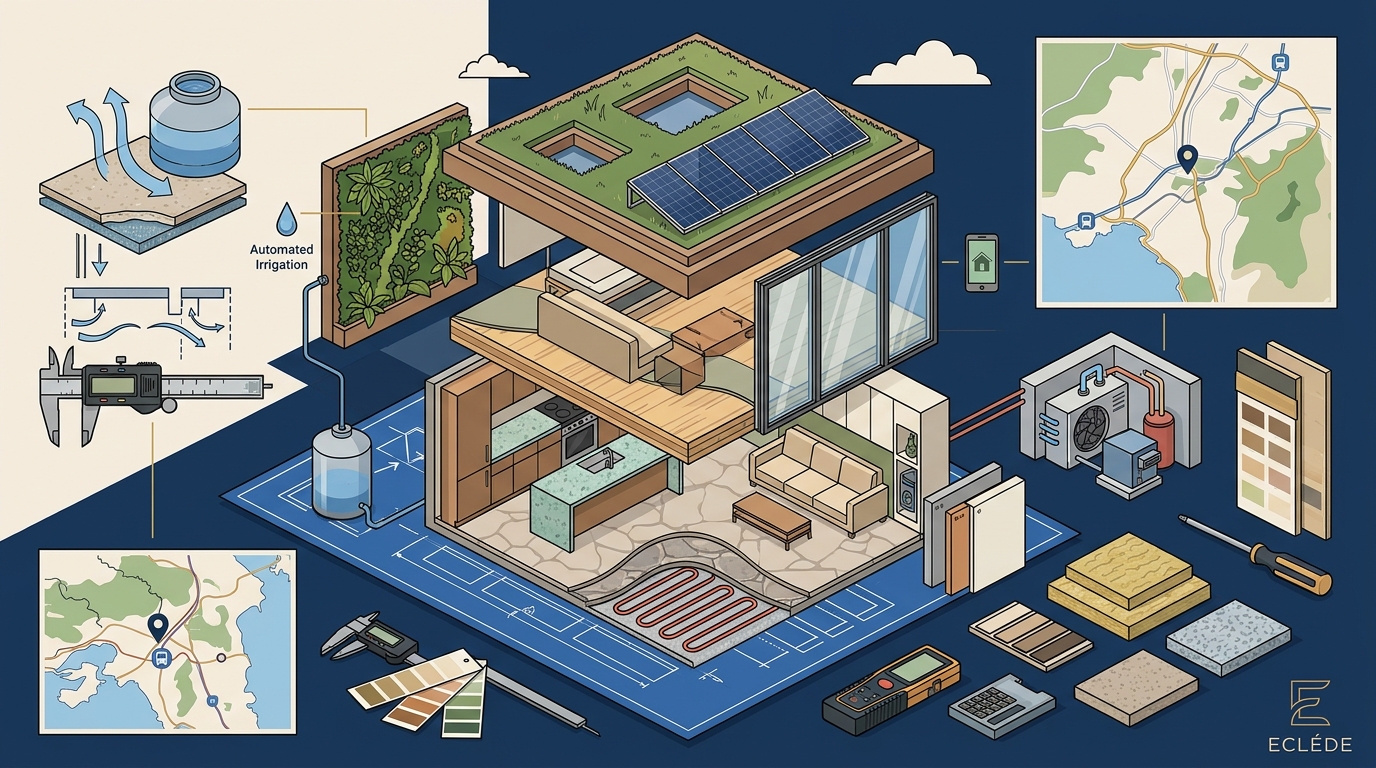
Future-Focused Technology Integration
Smart home systems play a vital role in modern sustainability. Automated climate control and lighting management reduce energy consumption based on occupancy patterns. These systems learn user behaviors to optimize performance without manual intervention. Technology ventures within the real estate sector continue to evolve rapidly. Integrating smart infrastructure ensures that living spaces remain adaptable to future advancements. This forward-thinking mindset is essential for maintaining long-term investment value in competitive markets.
Automated shading adjusts window coverings based on sun intensity. Smart appliances operate during off-peak energy hours to reduce costs. Integrated sensors monitor air quality and adjust ventilation accordingly. These technologies create a responsive living environment that adapts to user needs. Future-focused technology also includes resilient infrastructure that withstands extreme weather. This adaptability ensures that homes remain functional and safe over decades.
Balancing Aesthetics with Long-Term Value
Luxury real estate demands both visual appeal and functional durability. Sustainable materials often provide superior longevity compared to conventional alternatives. Textured finishes and durable surfaces require less frequent replacement, reducing long-term costs. Balancing form with function creates spaces that are both beautiful and practical. This balance is the intersection of inspiration, functionality, and responsibility. Investors benefit from properties that maintain their desirability over decades. The news section highlights recent industry updates and project milestones.
High-quality craftsmanship ensures that details withstand the test of time. Premium finishes resist wear and maintain their appearance without constant upkeep. This durability reduces the environmental impact of frequent renovations. Aesthetically pleasing designs also attract higher rental yields and resale values. Buyers increasingly seek homes that reflect modern values of sustainability. Properties that combine beauty with efficiency command premium positions in the market.
Sustainable Design Comparison
| Practice | Primary Benefit | Implementation Focus |
|---|---|---|
| Clean Architectural Lines | Reduces material waste and simplifies maintenance | Minimalist aesthetics and precise construction |
| Nature Integration | Enhances well-being and lowers energy demands | Native landscaping and strategic glazing |
| Energy-Efficient Construction | Minimizes carbon emissions and operational costs | Advanced insulation and smart systems |
| Holistic Development | Aligns all project phases for maximum success | Comprehensive planning and risk management |
| Future-Focused Technology | Adapts living spaces to evolving needs | Smart infrastructure and automated controls |
Key Takeaways
- Clean architectural lines reduce material waste and simplify maintenance.
- Nature integration improves well-being and lowers energy demands.
- Energy-efficient construction minimizes carbon emissions and operational costs.
- Prop-tech solutions optimize real estate operations and user experience.
- Holistic development ensures alignment across all project phases.
- Future-focused technology adapts living spaces to evolving needs.
Frequently Asked Questions
What defines sustainable design in luxury real estate?
Sustainable design in luxury real estate combines high-end aesthetics with environmental responsibility. It prioritizes energy efficiency, durable materials, and minimal ecological impact.
How does nature integration improve living spaces?
Nature integration blurs indoor and outdoor boundaries. It enhances natural light, reduces energy costs, and supports occupant well-being.
What role does prop-tech play in modern homes?
Prop-tech provides data-driven insights to optimize building operations. It enhances user experience through automated systems and smart controls.
Why is a holistic approach important for developers?
A holistic approach prevents siloed decisions. It ensures architectural, environmental, and investment goals align for maximum success.
How do clean lines impact construction efficiency?
Clean lines reduce material waste during the building process. They also simplify long-term maintenance and cleaning routines.
What makes construction future-focused?
Future-focused construction incorporates adaptable infrastructure. It allows for easy integration of emerging technologies and renewable energy sources.
Start Your Sustainable Project
Ready to create a modern, functional living space? Contact Eclectic Developments to discuss your vision. Our team combines technical precision with creative design to deliver exceptional results. Visit the contact page to schedule a consultation today.