
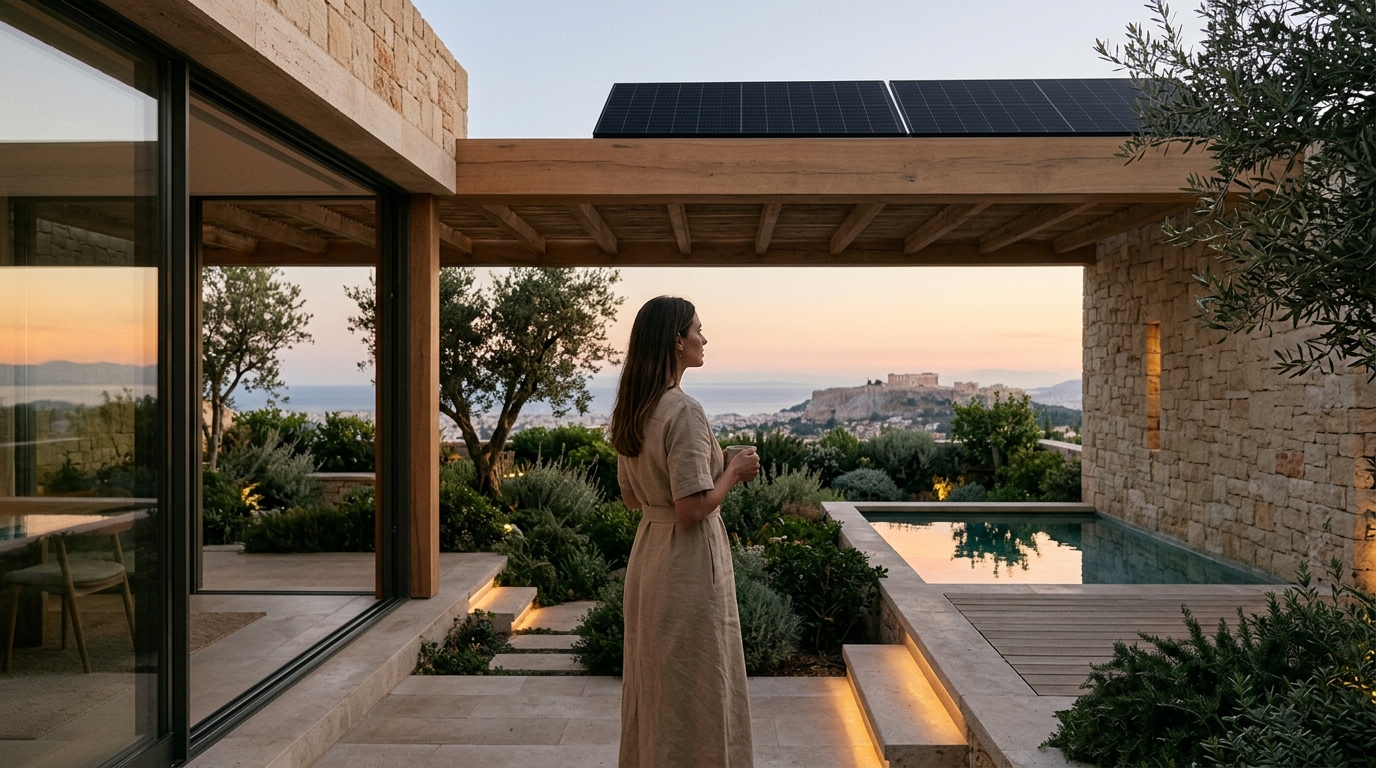
Luxury properties increasingly prioritize environmental responsibility alongside aesthetic grandeur. Modern high-end developments integrate advanced systems to reduce carbon footprints while maintaining uncompromised comfort. This shift reflects a broader industry transformation where sustainability drives investment value and long-term operational efficiency. Prospective buyers must evaluate specific design elements that distinguish truly sustainable estates from superficial green marketing claims.
Energy-Efficient Building Envelopes
High-performance insulation and advanced glazing form the foundation of a sustainable luxury home. These systems regulate indoor temperatures by minimizing heat transfer between the interior and exterior environments. Energy efficiency is the strategic reduction of resource consumption through advanced building systems and insulation. This approach ensures consistent comfort while lowering long-term utility expenses for the property owner.
Properties developed by ECLEDE emphasize minimal, clean architectural lines that reduce thermal bridging. The structural design prioritizes airtight construction methods to prevent energy loss through gaps or weak points in the building envelope. This technical precision aligns with the founder's background in civil engineering and design. Builders often specify triple-pane windows with low-emissivity coatings to maximize solar heat gain during winter months while blocking excess radiation in summer.
Advanced air quality monitoring systems complement the physical envelope by filtering particulates and regulating humidity levels. These features create a controlled indoor environment that protects occupants from external pollutants and allergens. The integration of these systems demonstrates how technical precision can coexist with creative vision to deliver projects that are both aesthetically refined and functionally intelligent.
View Portfolio
Smart Prop-Tech Integration
Intelligent building management systems optimize resource consumption through automated controls. These platforms monitor energy usage, adjust lighting, and manage climate settings based on occupancy patterns. Prop-tech is the integration of property technology and digital infrastructure to optimize building management. The integration of these technologies represents a key differentiator in modern luxury developments.
Vassilis Siafaricas has founded multiple companies across real estate and technology sectors to scale these innovations. His ventures demonstrate how digital infrastructure can enhance the functionality of physical spaces. Homeowners benefit from centralized dashboards that provide real-time feedback on system performance and efficiency metrics. These interfaces allow users to customize settings for different rooms, schedule maintenance alerts, and track energy savings over time.
Prop-tech solutions also enhance security and accessibility through biometric controls and remote monitoring capabilities. Smart locks, automated shading, and voice-activated assistants create a seamless user experience that adapts to resident preferences. The convergence of hardware and software ensures that luxury properties remain adaptable to evolving consumer expectations and technological advancements.
About the Founder
Biophilic Design and Natural Integration
Biophilic design is the practice of connecting building occupants with natural elements to enhance well-being. This approach incorporates living walls, natural ventilation strategies, and abundant daylighting to create healthier living environments. Luxury properties increasingly feature seamless transitions between indoor and outdoor spaces to blur the boundaries of the built environment.
Projects in prestigious areas of Greece often leverage local topography to maximize natural airflow and solar gain. The philosophy centers on seamless integration with natural surroundings, ensuring that each development enhances both human experience and environmental harmony. Landscaping plays a critical role in supporting biodiversity while reducing the need for irrigation through native plant selection. Architects use organic materials and natural textures to reinforce the connection between the structure and its ecosystem.
Indoor water features and natural stone accents further strengthen the biophilic connection by engaging multiple senses. These design choices promote relaxation and cognitive function, which are increasingly valued by high-net-worth individuals. The emphasis on natural light reduces reliance on artificial lighting during daytime hours, contributing to overall energy savings.
Contact ECLEDE
Sustainable Material Sourcing
The selection of construction materials significantly impacts the overall environmental footprint of a luxury estate. Responsible sourcing involves prioritizing locally available resources to minimize transportation emissions and support regional economies. Eco-friendly real estate projects utilize recycled metals, sustainably harvested timber, and low-VOC finishes to ensure indoor air quality remains uncompromised.
Material durability is equally important, as long-lasting components reduce the frequency of replacements and associated waste. High-end developments often specify materials that age gracefully while maintaining structural integrity over decades. This commitment to quality reflects a holistic approach to project lifecycle management. Builders may also incorporate reclaimed wood or recycled glass to add unique character while diverting waste from landfills.
Certified wood products and responsibly sourced stone provide assurance that materials meet rigorous environmental standards. These certifications help buyers verify the sustainability claims of their property. The use of non-toxic adhesives and sealants further protects indoor air quality, creating a safer environment for residents and guests.
Awards and Recognition
Water Conservation Systems
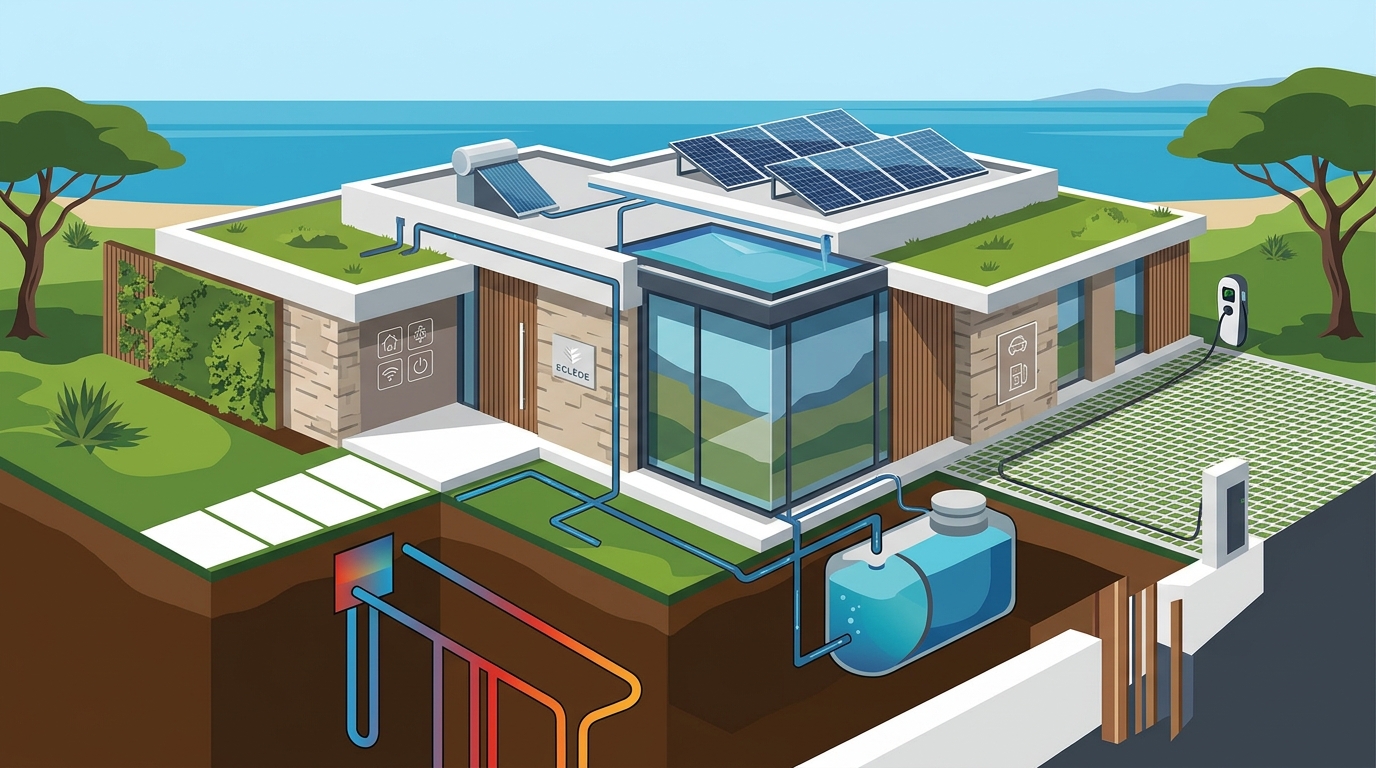
Advanced water management infrastructure reduces consumption through recycling and rainwater harvesting. Greywater systems capture runoff from sinks and showers for use in irrigation and toilet flushing. Water conservation is the implementation of technologies and practices to minimize freshwater usage in residential and commercial settings. Green architecture standards increasingly mandate these systems to ensure properties remain resilient during periods of water scarcity.
Landscaping strategies complement technical systems by incorporating drought-resistant vegetation and permeable paving. These measures reduce runoff and promote groundwater recharge while maintaining the aesthetic appeal of the grounds. Smart irrigation controllers adjust watering schedules based on real-time weather data to prevent waste. Sensors detect soil moisture levels to optimize watering cycles and prevent over-saturation.
High-efficiency fixtures and appliances further reduce water consumption without compromising performance. Low-flow faucets, dual-flush toilets, and water-wise dishwashers contribute to significant savings over the life of the property. These systems demonstrate how luxury and sustainability can coexist to create responsible living environments.
Future-Proof Infrastructure
Future-proof infrastructure prepares luxury properties for evolving regulatory requirements and technological advancements. This includes capacity for electric vehicle charging stations and renewable energy generation systems. Homes designed with energy-efficient, future-focused construction can adapt to new standards without requiring costly retrofits.
Visionary developers anticipate shifts in energy grids and consumer expectations to deliver assets that retain relevance over time. This forward-thinking strategy protects the long-term investment value of the property. Buyers gain confidence knowing their home aligns with emerging sustainability benchmarks. Electrical panels are often oversized to accommodate future additions, such as solar arrays or battery storage systems.
Structural designs also account for potential climate changes, such as increased rainfall or higher temperatures. Reinforced foundations and elevated utilities help mitigate risks associated with extreme weather events. These proactive measures ensure that luxury properties remain safe and functional for generations to come.
Latest News
Investment Value of Green Developments
Sustainable luxury properties often command premium valuations due to lower operating costs and higher demand. Investors recognize that environmentally responsible developments attract a growing segment of conscious buyers. The balance of architecture, sustainability, and long-term investment value creates a compelling case for green construction.
Properties that achieve recognized sustainability certifications may experience faster sales cycles and stronger market performance. The combination of aesthetic refinement and functional intelligence appeals to discerning clients who prioritize both style and substance. This market dynamic reinforces the importance of integrating sustainable features from the earliest design phases. Early integration allows for cost-effective implementation and avoids expensive modifications during construction.
Long-term operational savings further enhance the financial appeal of sustainable estates. Reduced utility bills and maintenance costs improve cash flow and net operating income. These financial benefits make green properties attractive to both owner-occupiers and institutional investors seeking stable returns.
| Feature Category | Standard Luxury Approach | Sustainable Luxury Approach |
|---|---|---|
| Building Envelope | Basic insulation and standard glazing | Triple-pane windows and continuous insulation |
| Technology | Manual climate and lighting controls | Automated prop-tech management systems |
| Materials | Conventional finishes and imported resources | Locally sourced, recycled, and low-VOC materials |
| Water Usage | Standard fixtures and irrigation | Greywater recycling and smart irrigation |
| Investment | Focus on initial aesthetic appeal | Balance of aesthetics, sustainability, and value |
Key Takeaways
- Vassilis Siafaricas combines civil engineering expertise with creative vision to deliver high-end, environmentally responsible developments.
- Energy-efficient homes utilize advanced glazing and airtight construction to minimize heat transfer and utility costs.
- Smart prop-tech solutions enable precise control over resource consumption through automated building management systems.
- Biophilic design connects occupants with nature through living walls, natural ventilation, and seamless indoor-outdoor transitions.
- Sustainable material sourcing prioritizes durability, local availability, and low-VOC finishes to protect indoor air quality.
- Water conservation systems incorporate greywater recycling and smart irrigation to reduce freshwater consumption.
- Future-proof infrastructure prepares properties for evolving regulations and technological advancements without costly retrofits.
Frequently Asked Questions
What defines a truly sustainable luxury property?
A truly sustainable luxury property integrates advanced environmental systems with high-end aesthetics. It features energy-efficient envelopes, smart technology, and responsible material sourcing to minimize environmental impact while maximizing comfort and investment value.
How does prop-tech enhance sustainability in luxury homes?
Prop-tech enhances sustainability by automating resource management through intelligent systems. These platforms optimize energy usage, adjust climate settings, and monitor water consumption to reduce waste and improve operational efficiency.
What are the benefits of biophilic design in luxury real estate?
Biophilic design improves well-being by connecting residents with natural elements. It incorporates natural light, ventilation, and organic materials to create healthier living environments that promote relaxation and cognitive function.
How do sustainable materials impact indoor air quality?
Sustainable materials reduce exposure to harmful chemicals by using low-VOC finishes and non-toxic adhesives. This approach ensures cleaner indoor air, which is essential for the health and comfort of occupants.
Can sustainable luxury properties offer strong investment returns?
Yes, sustainable luxury properties often deliver strong returns through lower operating costs and higher market demand. The balance of architecture, sustainability, and long-term investment value makes these assets attractive to discerning buyers and investors.
What role does water conservation play in green developments?
Water conservation reduces freshwater usage through recycling and efficient irrigation. Systems like greywater recycling and smart controllers minimize waste while maintaining the aesthetic appeal of outdoor spaces.
How does ECLEDE approach sustainable design in its projects?
ECLEDE approaches sustainable design by balancing architecture, sustainability, and long-term investment value. The firm emphasizes minimal, clean architectural lines and seamless integration with natural surroundings to create environmentally responsible developments.
Start Your Sustainable Luxury Project
Transform your vision into reality with a development that prioritizes environmental responsibility and uncompromised luxury. ECLEDE offers expert guidance to integrate sustainable design features that enhance both comfort and investment value. Contact the team today to discuss your project requirements and explore how sustainable principles can elevate your next development.
Schedule a Consultation