
Sustainable Luxury Design Features to Look for in High-End Properties
High-end residential developments are increasingly defined by their environmental stewardship. Modern luxury buyers expect properties that integrate advanced ecological systems with sophisticated architectural aesthetics. These features reduce long-term operational costs while enhancing the overall living experience. Evaluating a property requires a close examination of its energy systems, material sourcing, and spatial efficiency. This guide outlines the essential sustainable design elements that distinguish premium eco-conscious homes in the current market.
Advanced Energy Systems and Passive Design
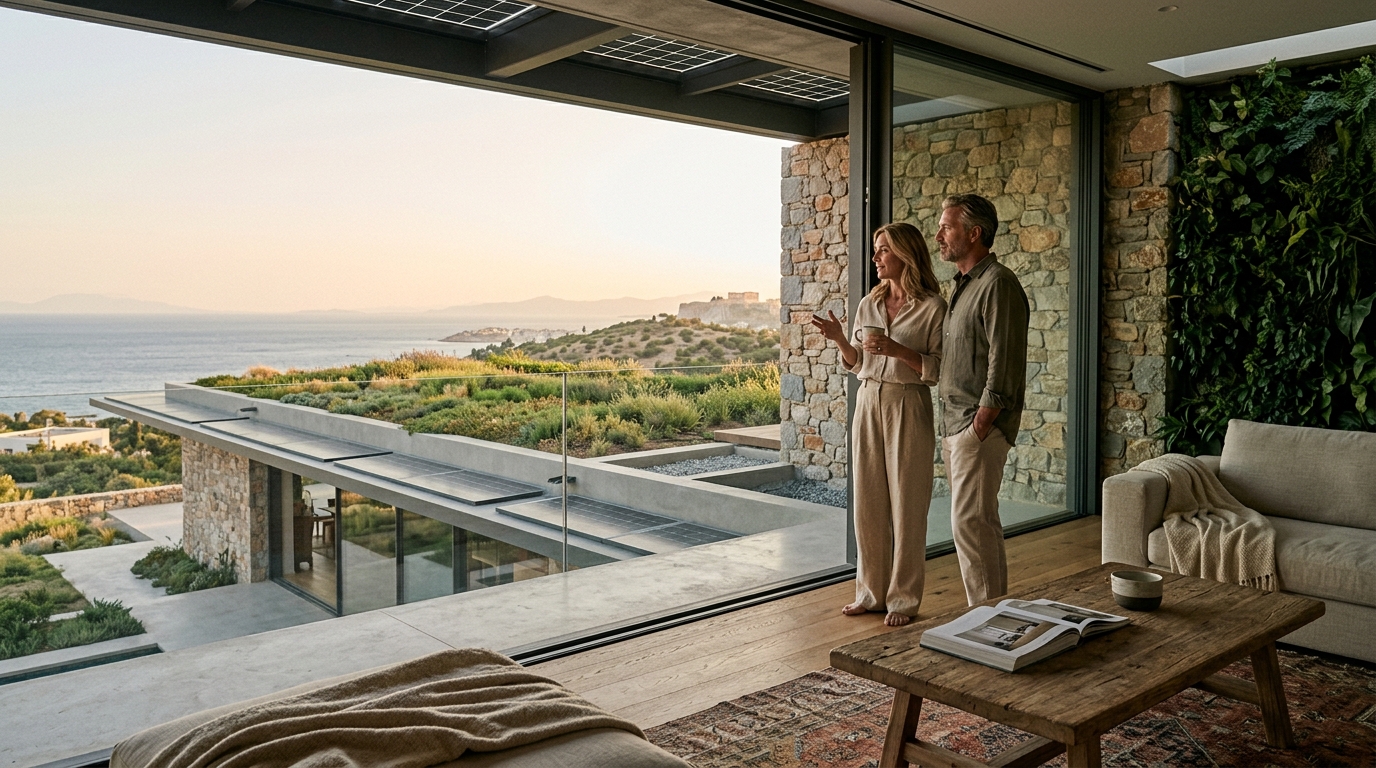
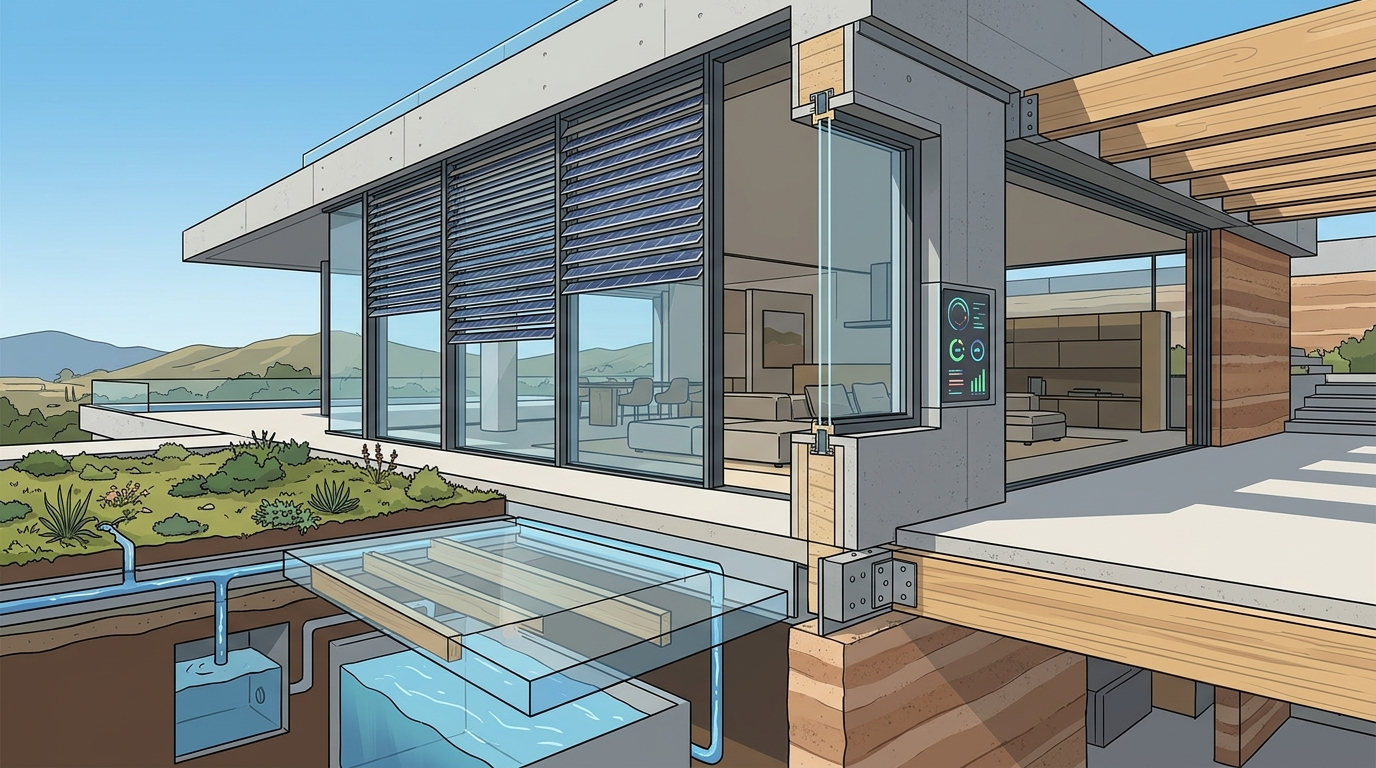
Energy efficiency remains the cornerstone of sustainable luxury. High-performance properties utilize passive design strategies to minimize reliance on mechanical heating and cooling. Large, strategically placed windows maximize natural light while maintaining thermal insulation. Triple-glazed glass units prevent heat loss during colder months and block excess solar gain in summer. These systems significantly reduce energy consumption without sacrificing views or spatial openness.
Thermal mass elements, such as exposed concrete or stone, absorb and release heat to stabilize indoor temperatures. This natural regulation reduces the load on HVAC systems and improves comfort consistency. Passive design strategies leverage building orientation and insulation to minimize mechanical dependency. Integrating renewable energy sources ensures long-term independence from grid fluctuations. Solar photovoltaic arrays are often concealed within roofing materials to preserve clean architectural lines. Geothermal heat pumps leverage stable underground temperatures to regulate indoor climate efficiently. These technologies align with the philosophy of future-focused construction that prioritizes environmental harmony. Explore our portfolio to see how these systems are implemented in real-world projects.
Sustainable Material Sourcing and Lifecycle
The selection of building materials directly impacts the ecological footprint of a development. Premium properties prioritize locally sourced stone, reclaimed timber, and low-carbon concrete alternatives. These materials reduce transportation emissions and support regional supply chains. Lifecycle assessment ensures that every component can be recycled or repurposed at the end of its use. This approach reflects a commitment to responsible resource management throughout the building's lifespan.
Indoor air quality is equally critical in luxury environments. Low-VOC paints, adhesives, and finishes prevent the release of harmful compounds into living spaces. Natural ventilation systems introduce fresh air while filtering particulates to maintain a healthy atmosphere. Sustainable material sourcing is the practice of selecting construction inputs that minimize environmental degradation and support circular economy principles. By prioritizing durable, non-toxic materials, developers ensure long-term health and aesthetic longevity. Review our about page to learn more about our commitment to responsible development.
Water Conservation and Management
Water stewardship is critical in luxury developments, particularly in regions prone to seasonal drought. Advanced filtration systems and greywater recycling units reuse water for irrigation and landscape maintenance. Smart irrigation controllers adjust watering schedules based on real-time weather data and soil moisture levels. Rainwater harvesting systems capture precipitation for non-potable applications, reducing overall municipal water demand.
High-efficiency fixtures and appliances further minimize water usage without compromising performance. Dual-flush toilets and low-flow showerheads are standard in eco-conscious luxury homes. Landscaping design incorporates native, drought-resistant plants to reduce irrigation requirements. Water conservation management is the implementation of closed-loop systems that capture, treat, and reuse water resources to minimize waste and operational costs. These systems ensure that properties remain resilient against water scarcity while maintaining pristine outdoor environments. Discover how we integrate these features by visiting our founder profile.
Prop-Tech and Intelligent Building Management
Technology plays a vital role in optimizing sustainable performance. Building management systems monitor energy usage, air quality, and occupancy patterns in real time. Automated shading and ventilation respond to environmental changes to maintain optimal comfort levels. These intelligent systems provide homeowners with granular control over their property's environmental impact. Prop-tech integration ensures that sustainability features operate seamlessly alongside daily living routines.
Smart thermostats and zoning controls allow precise temperature adjustments for individual rooms. Occupancy sensors deactivate lighting and HVAC in unoccupied spaces to prevent energy waste. Remote monitoring capabilities enable property managers to track system performance and schedule maintenance proactively. These innovations reduce operational overhead while enhancing user convenience. Stay updated on the latest prop-tech advancements by reading our news section.
Biophilic Design and Natural Integration
Biophilic design connects occupants with nature to enhance well-being and reduce stress. Living walls, indoor courtyards, and expansive terraces blur the boundary between interior and exterior spaces. Native plantings require minimal maintenance and support local biodiversity. Seamless integration with natural surroundings creates a sense of tranquility and visual continuity. This design approach ensures that developments enhance both human experience and environmental harmony.
Use of natural materials like wood, stone, and cork reinforces the connection to the outdoors. Access to daylight and views of greenery has been shown to improve cognitive function and relaxation. Outdoor living areas feature sustainable decking and permeable paving to manage runoff. These elements create a cohesive narrative between the built environment and the landscape. Learn more about our design philosophy on our home page.
Green Certifications and Regulatory Compliance
Third-party certifications validate the sustainability claims of luxury properties. Recognized standards assess energy performance, indoor air quality, and material health. Achieving these certifications often increases property value and marketability. Buyers should verify that developments meet recognized green building codes and regional regulations. Compliance ensures that sustainability promises are backed by rigorous testing and independent verification.
These credentials provide transparency and trust for discerning investors. They also demonstrate a developer's commitment to industry best practices. Our projects have received recognition for their innovative approach to sustainable luxury. See our awards to view our industry acknowledgments.
Key Takeaways
- Energy-efficient homes reduce long-term operational costs through passive design and renewable integration.
- Sustainable material sourcing prioritizes local, low-carbon inputs to minimize ecological impact.
- Water conservation management utilizes recycling and smart irrigation to preserve regional resources.
- Prop-tech and intelligent building management optimize comfort while tracking environmental performance.
- Biophilic design enhances well-being by integrating natural elements into the living space.
- Green certifications provide independent validation of a property's sustainability claims.
Frequently Asked Questions
What defines a sustainable luxury property?
A sustainable luxury property combines high-end architectural aesthetics with advanced environmental systems. These developments prioritize energy efficiency, responsible material sourcing, and long-term ecological impact without compromising comfort or design quality.
How do passive design strategies reduce energy consumption?
Passive design strategies utilize building orientation, insulation, and natural ventilation to minimize the need for mechanical heating and cooling. This approach significantly lowers energy usage while maintaining consistent indoor temperatures.
Are renewable energy systems integrated into luxury homes?
Yes, modern luxury homes often incorporate solar arrays, geothermal heat pumps, and battery storage solutions. These systems are designed to blend seamlessly with architectural aesthetics while providing energy independence.
What role does prop-tech play in sustainable living?
Prop-tech enables real-time monitoring of energy usage, air quality, and water consumption. Intelligent systems automate adjustments to optimize efficiency and reduce waste without requiring manual intervention.
How can I verify a property's sustainability claims?
Look for recognized green building certifications and independent energy performance reports. These documents provide verified data on a property's environmental standards and operational efficiency.
Explore Sustainable Luxury Developments
Discover high-end, environmentally responsible developments that redefine modern living. Our portfolio showcases projects that balance architecture, sustainability, and long-term investment value. Contact our team to schedule a consultation and learn more about our commitment to energy-efficient, future-focused construction.
Contact ECLEDE to Discuss Your Project