
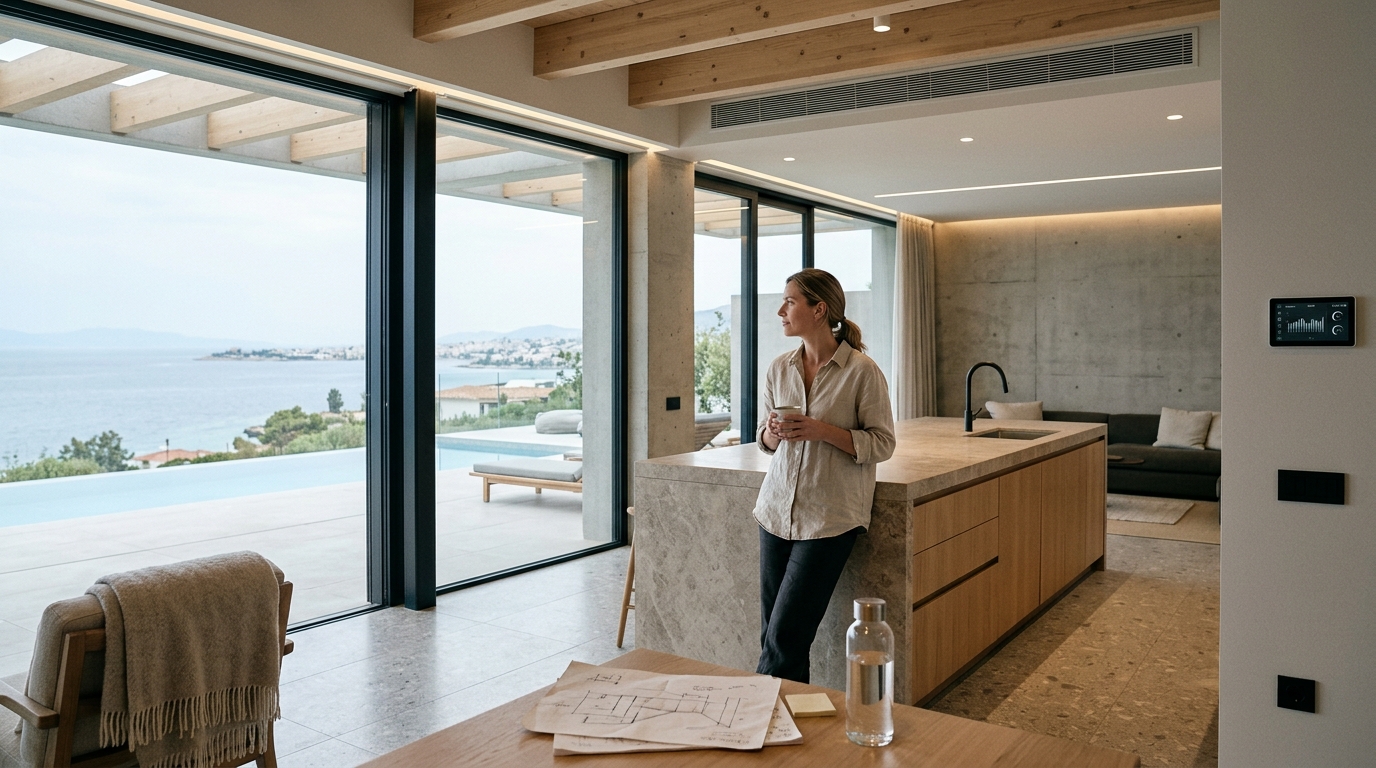
Sustainable design practices form the foundation of modern living spaces by integrating energy efficiency, material responsibility, and functional intelligence into every architectural decision. Contemporary developments increasingly prioritize these strategies to reduce operational costs and enhance long-term asset value. This guide explores the most effective methodologies for creating eco-conscious environments that align with luxury standards and evolving regulatory expectations. Builders and homeowners now recognize that responsible construction delivers superior living experiences while minimizing environmental impact. High-performance buildings achieve this balance through rigorous planning, advanced material selection, and a commitment to future-focused construction principles.
Passive Solar Integration and Site Orientation
Site Analysis and Orientation
Passive solar integration is the strategic positioning of building elements to maximize natural heating and cooling without mechanical intervention. Architects begin with a comprehensive site analysis to determine optimal orientation. The building footprint aligns with the sun's path to capture winter solar gain while shading summer exposure. South-facing facades maximize daylight penetration, reducing the need for artificial lighting. This orientation strategy forms the backbone of energy-efficient architecture. View Portfolio to see how ECLEDE applies these principles to luxury residential projects in Greece. Each development harmonizes with local climate conditions to create comfortable, efficient living spaces. Homeowners benefit from reduced utility costs and a smaller carbon footprint without sacrificing aesthetic appeal.
Thermal Mass and Glazing
Large glazing areas face south to absorb thermal energy, which is then stored in high-mass materials like stone or concrete. Thermal mass acts as a heat sink, releasing stored energy during cooler evening hours. This cycle stabilizes indoor temperatures and reduces peak heating loads. High-performance windows prevent heat loss while allowing maximum solar entry. The combination of glazing and mass creates a self-regulating thermal environment. Founder Philosophy emphasizes minimal, clean architectural lines that highlight these structural elements. The design celebrates the interplay of light and shadow, turning functional requirements into aesthetic features. This approach delivers superior comfort and efficiency for modern residents.
Biophilic Design Elements and Natural Integration
Natural Light and Ventilation
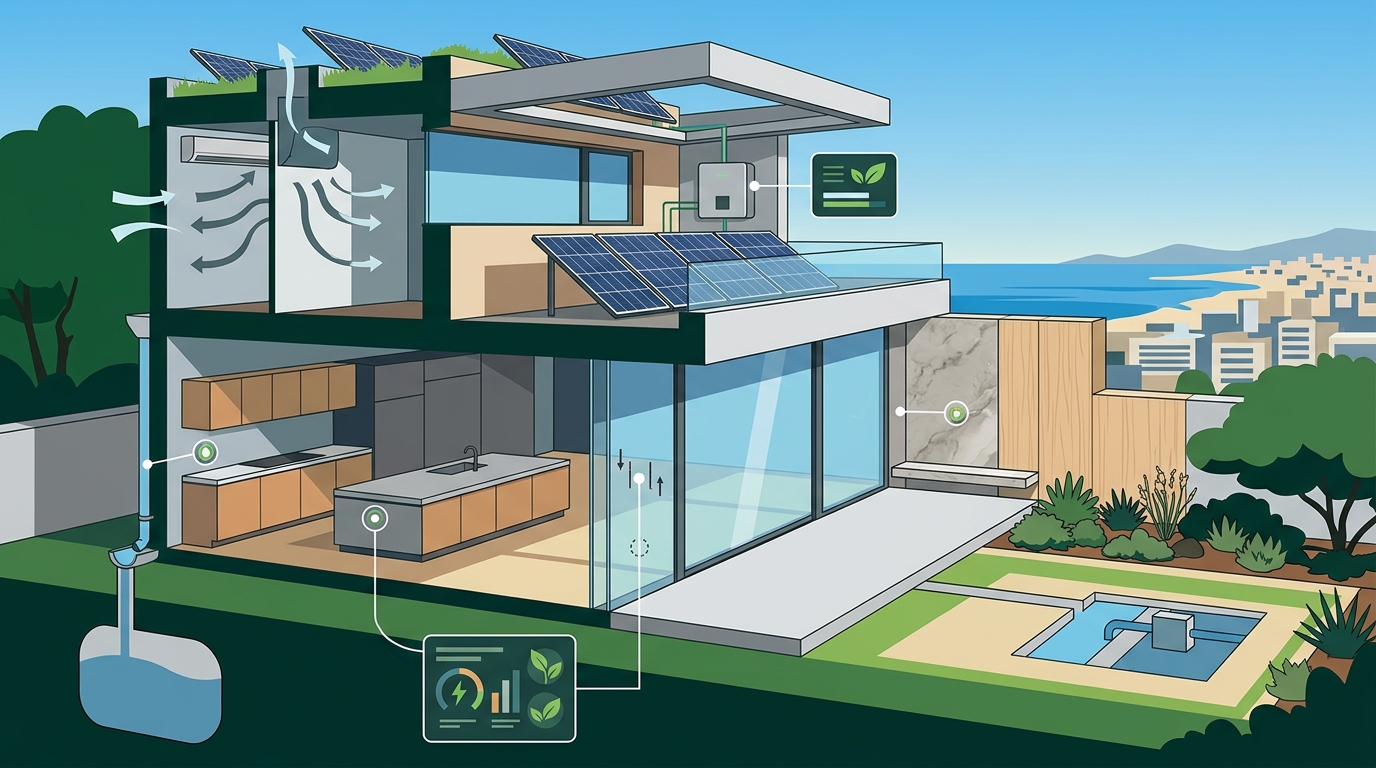
Biophilic design is an architectural approach that fosters a deep connection between occupants and the natural environment through organic materials and living systems. This practice incorporates natural light, ventilation, and vegetation to improve well-being. Living walls and indoor gardens bring nature into urban settings, reducing stress and enhancing air quality. Materials such as reclaimed wood and natural stone add texture and warmth to modern interiors. ECLEDE Services integrate these elements to create spaces that feel expansive and restorative. Residents experience a stronger sense of place and connection to their environment. The design ensures that natural elements are not merely decorative but functional components of the building's ecosystem.
Living Systems and Materials
Seamless integration with natural surroundings defines the approach to biophilic design. Structures do not dominate the landscape but rather complement it. Green roofs and permeable surfaces manage stormwater while providing insulation. Native plantings require minimal maintenance and support local biodiversity. These living systems reduce the urban heat island effect and improve microclimates. Vassilis Siafaricas emphasizes that design is the intersection of inspiration, functionality, and responsibility. Each project undergoes a holistic review to ensure environmental harmony. The result is a building that ages gracefully while maintaining structural integrity and ecological balance.
Advanced Energy Systems and Efficiency
Renewable Generation and Storage
Advanced energy systems encompass integrated technologies that optimize power generation, storage, and distribution to minimize grid dependency. Modern homes utilize solar panels, heat pumps, and battery storage to achieve energy independence. Smart thermostats and zoning systems adjust heating and cooling based on occupancy and weather patterns. These technologies work together to create a responsive building envelope. Latest News highlights how ECLEDE incorporates prop-tech solutions to monitor system performance in real-time. This data-driven approach allows for proactive maintenance and continuous optimization. Property owners gain full control over their energy usage while enjoying the reliability of cutting-edge infrastructure.
Building Management Systems
Energy-efficient, future-focused construction requires precise management of all building systems. Building management systems (BMS) centralize control over HVAC, lighting, and security. Sensors detect occupancy and adjust environmental settings to eliminate waste. Mobile applications provide remote management of all building functions. ECLEDE applies these technologies to ensure maximum efficiency and user convenience. The integration of these systems represents the future of sustainable living. Homeowners can track their energy consumption and carbon savings through intuitive dashboards. This transparency empowers residents to make informed decisions about their resource usage.
Sustainable Material Sourcing and Lifecycle Management
Local Sourcing and Transport
Sustainable material sourcing focuses on selecting resources that minimize environmental impact and support local economies. Builders prioritize locally quarried stone, sustainably harvested timber, and recycled metals to reduce transportation emissions. Lifecycle assessment tools evaluate the durability and recyclability of each component. High-quality materials ensure longevity and reduce the need for frequent replacements. This commitment to durability aligns with the goal of creating future-focused construction. Contact ECLEDE to discuss material selection for your project. The firm selects materials based on their aesthetic refinement and functional intelligence. The result is a building that ages gracefully while maintaining structural integrity.
Durability and Lifecycle
Material responsibility extends beyond initial selection to include end-of-life considerations. Design for disassembly allows components to be reused or recycled at the end of their service life. Low-VOC paints and finishes improve indoor air quality and reduce health risks. Non-toxic insulation materials provide thermal performance without environmental harm. Vassilis Siafaricas has a background in civil engineering and design, ensuring technical precision in material application. Each project is approached holistically, ensuring it enhances both human experience and environmental harmony. Owners invest in materials that offer both beauty and responsibility, securing long-term value.
Smart Technology and Prop-Tech Integration
Automation and User Control
Smart technology and prop-tech integration transform traditional buildings into responsive, intelligent environments. Automated lighting, security, and climate controls adapt to user preferences and behavioral patterns. Sensors detect occupancy and adjust environmental settings to eliminate waste. Mobile applications provide remote management of all building systems. Founder Philosophy highlights Vassilis Siafaricas's role in founding multiple companies across real estate and technology sectors. Smart home hubs centralize control, allowing residents to manage energy usage and security from a single interface. This level of automation enhances convenience and efficiency. The technology layer adds significant value to modern properties.
Data Analytics and Optimization
Prop-tech ventures drive innovation by leveraging data to improve building performance. Analytics platforms identify inefficiencies and suggest corrective actions. Predictive maintenance algorithms forecast equipment failures before they occur. This proactive approach extends the lifespan of mechanical systems and reduces repair costs. ECLEDE integrates these insights into every development to ensure optimal operation. The combination of hardware and software creates a resilient, adaptive living environment. Residents benefit from a home that learns and evolves with their needs. This intelligent infrastructure sets a new standard for luxury residential living.
Regulatory Compliance and Future-Proofing
Certification Frameworks
Regulatory compliance and future-proofing ensure that developments meet current standards and anticipate future requirements. Building codes increasingly mandate energy efficiency, water conservation, and carbon reduction. Certifications such as LEED and BREEAM provide frameworks for sustainable construction. Developers must navigate complex permitting processes to secure approvals. Awards recognition by leading architectural organizations highlights the firm's visionary approach to modern living. ECLEDE approaches each project holistically, ensuring compliance with regional regulations and environmental goals. This rigorous process protects investors and delivers high-quality results. Projects that exceed minimum standards command premium valuations in the market.
Risk Mitigation and Value
Future-focused construction mitigates risks associated with rising energy costs and regulatory changes. Buildings designed to high sustainability standards are less vulnerable to policy shifts. Energy independence protects owners from grid fluctuations and price volatility. Water recycling systems reduce dependency on municipal supplies. Vassilis Siafaricas is a multidisciplinary entrepreneur and designer with extensive experience across luxury real estate and technology ventures. His work bridges technical precision with creative vision, delivering projects that are both aesthetically refined and functionally intelligent. This comprehensive approach ensures long-term viability and resilience for all stakeholders.
Summary of Sustainable Practices
| Practice | Core Benefit | Implementation Path |
|---|---|---|
| Passive Solar | Reduced mechanical loads | View Portfolio |
| Biophilic Design | Enhanced well-being | Founder Philosophy |
| Energy Systems | Grid independence | ECLEDE Services |
| Sustainable Materials | Long-term durability | Latest News |
| Smart Tech | Operational efficiency | Contact ECLEDE |
Key Takeaways
- ECLEDE focuses on luxury residential projects in Greece with a commitment to sustainability.
- Vassilis Siafaricas brings a background in civil engineering and design to every project.
- The firm integrates prop-tech solutions to monitor and optimize building performance.
- Design philosophy centers on minimal, clean architectural lines and seamless integration with natural surroundings.
- Projects undergo holistic reviews to ensure environmental harmony and long-term investment value.
- Recognition by leading architectural organizations highlights the firm's visionary approach to modern living.
Frequently Asked Questions
How does passive solar design reduce energy costs?
Passive solar design reduces energy costs by maximizing natural heating and cooling. Strategic orientation and thermal mass minimize the need for active mechanical systems. This approach lowers utility bills while maintaining consistent indoor comfort.
What role does biophilic design play in modern living?
Biophilic design improves well-being by connecting occupants with nature. Living systems and organic materials create restorative environments. These elements reduce stress and enhance air quality within the home.
How can smart technology improve sustainability?
Smart technology improves sustainability by optimizing resource usage. Automated systems adjust lighting, heating, and cooling based on real-time data. This precision eliminates waste and extends the lifespan of building components.
Why is material sourcing important for sustainable development?
Material sourcing impacts the environmental footprint of a project. Local and recycled materials reduce transportation emissions and support regional economies. High-quality materials ensure durability and reduce long-term maintenance requirements.
What certifications support sustainable building practices?
Certifications provide frameworks for verifying sustainable construction. Standards such as LEED and BREEAM assess energy efficiency and resource management. Compliance with these frameworks often increases property value and market appeal.
How does ECLEDE approach sustainable luxury development?
ECLEDE approaches sustainable luxury development by balancing aesthetic refinement with environmental responsibility. The firm integrates advanced energy systems and prop-tech into high-end residential projects. This holistic method ensures both performance and design excellence.
Can modern homes achieve energy independence?
Modern homes can achieve energy independence through integrated renewable systems. Solar panels, heat pumps, and battery storage work together to meet all power needs. Smart management systems optimize generation and consumption for maximum efficiency.
Start Your Sustainable Development Project
Transform your vision into a high-performance reality. ECLEDE offers comprehensive development services tailored to luxury residential and commercial projects. Contact the team today to discuss your next sustainable design initiative and discover how responsible construction can elevate your living experience.
Schedule a Consultation