
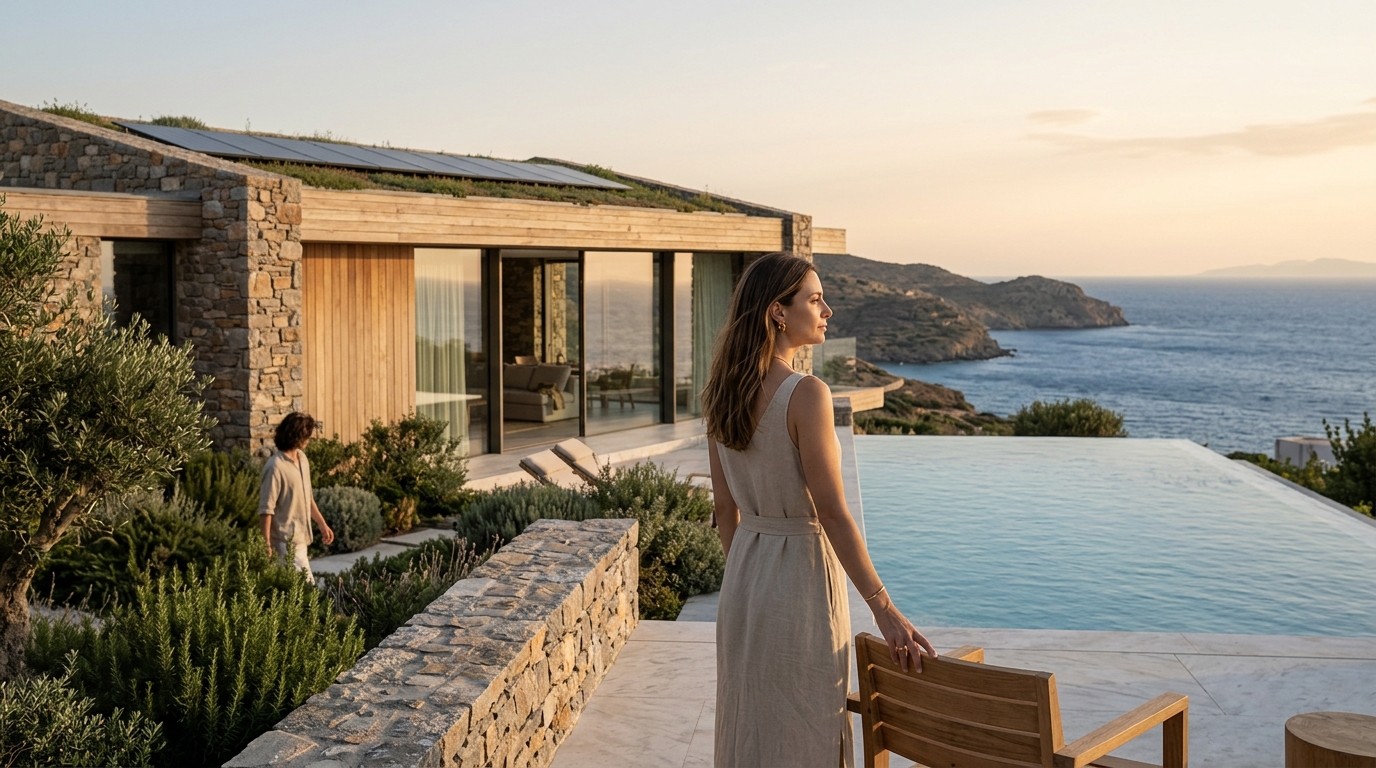
Sustainable luxury design represents a paradigm shift in high-end real estate, where environmental responsibility and opulent living converge to create enduring value. High-net-worth individuals increasingly prioritize properties that demonstrate technical precision, aesthetic refinement, and long-term investment resilience. Modern developments in prestigious regions like Greece emphasize energy-efficient construction and seamless integration with natural surroundings. These projects leverage civil engineering expertise to deliver homes that are both functionally intelligent and aesthetically distinguished. Buyers must evaluate how architectural decisions impact operational costs, environmental harmony, and overall lifestyle quality.
Architectural Integration with Natural Surroundings
Top-tier sustainable luxury properties prioritize minimal, clean architectural lines that respect the existing landscape. This approach ensures structures enhance rather than dominate their environment. ECLEDE philosophy centers on creating developments that achieve a balance of architecture, sustainability, and long-term investment value. When designing for luxury markets, architects must consider topography, solar orientation, and prevailing wind patterns to minimize environmental disruption.
Biophilic design is an architectural approach that prioritizes the connection between occupants and the natural environment through organic materials and spatial planning. This methodology incorporates natural light, ventilation, and views to improve occupant well-being. Properties featuring this design often utilize expansive glazing and open floor plans to blur the boundary between interior living spaces and exterior gardens. Buyers should look for developments that demonstrate a holistic approach to site planning, ensuring each project enhances both human experience and environmental harmony.
Vassilis Siafaricas, as the Founder and Managing Director of ECLEDE, leads the creation of high-end developments that redefine modern living. His background in civil engineering and design bridges technical precision with creative vision. This dual expertise ensures that aesthetic refinement never compromises structural integrity or environmental performance. Reviewing the portfolio of past projects reveals how these principles translate into tangible residential outcomes.
Energy-Efficient Construction Systems
Energy efficiency forms the backbone of sustainable luxury real estate. Future-focused construction methods utilize advanced insulation, thermal bridging prevention, and high-performance HVAC systems to drastically reduce operational energy consumption. Luxury properties must demonstrate rigorous attention to building envelope performance to maintain comfort across varying seasonal conditions.
Passive design is a building strategy that maximizes natural ventilation, daylighting, and thermal regulation to minimize mechanical system reliance. This strategy involves orienting buildings to capture winter sun while shading interiors during summer months. High-quality windows with low-emissivity coatings and advanced framing materials prevent heat loss and gain. Properties that integrate these systems offer superior indoor air quality and reduced carbon footprints without sacrificing comfort.
The founder's commitment to energy-efficient construction ensures that every project meets the highest standards of performance. By leveraging civil engineering principles, developers can implement structural solutions that support sustainable goals. This includes the use of thermal mass to stabilize indoor temperatures and the integration of renewable energy sources such as solar photovoltaics. Exploring the about the founder page provides deeper insight into the technical rigor applied to these developments.
Prop-Tech and Smart Home Integration
Modern luxury properties increasingly incorporate prop-tech solutions to enhance user experience and operational efficiency. Technology ventures within the real estate sector are driving innovation in automation, security, and resource management. Smart home systems allow residents to control lighting, climate, and security from centralized interfaces.
Prop-tech is a technology sector focused on applying software and digital tools to improve the efficiency and user experience of real estate transactions and property management. This includes IoT sensors that monitor air quality, occupancy-based lighting controls, and predictive maintenance algorithms for building systems. Luxury buyers expect seamless digital integration that operates invisibly in the background. These systems reduce waste by optimizing energy usage based on real-time occupancy and environmental conditions.
Vassilis has co-founded innovative ventures, including technology companies that scale across multiple sectors. This entrepreneurial background informs the integration of cutting-edge solutions into residential projects. Properties featuring advanced prop-tech offer residents greater control over their living environment while reducing operational costs. Staying updated on the latest developments reveals how emerging technologies are reshaping luxury living standards.
Premium Sustainable Materials
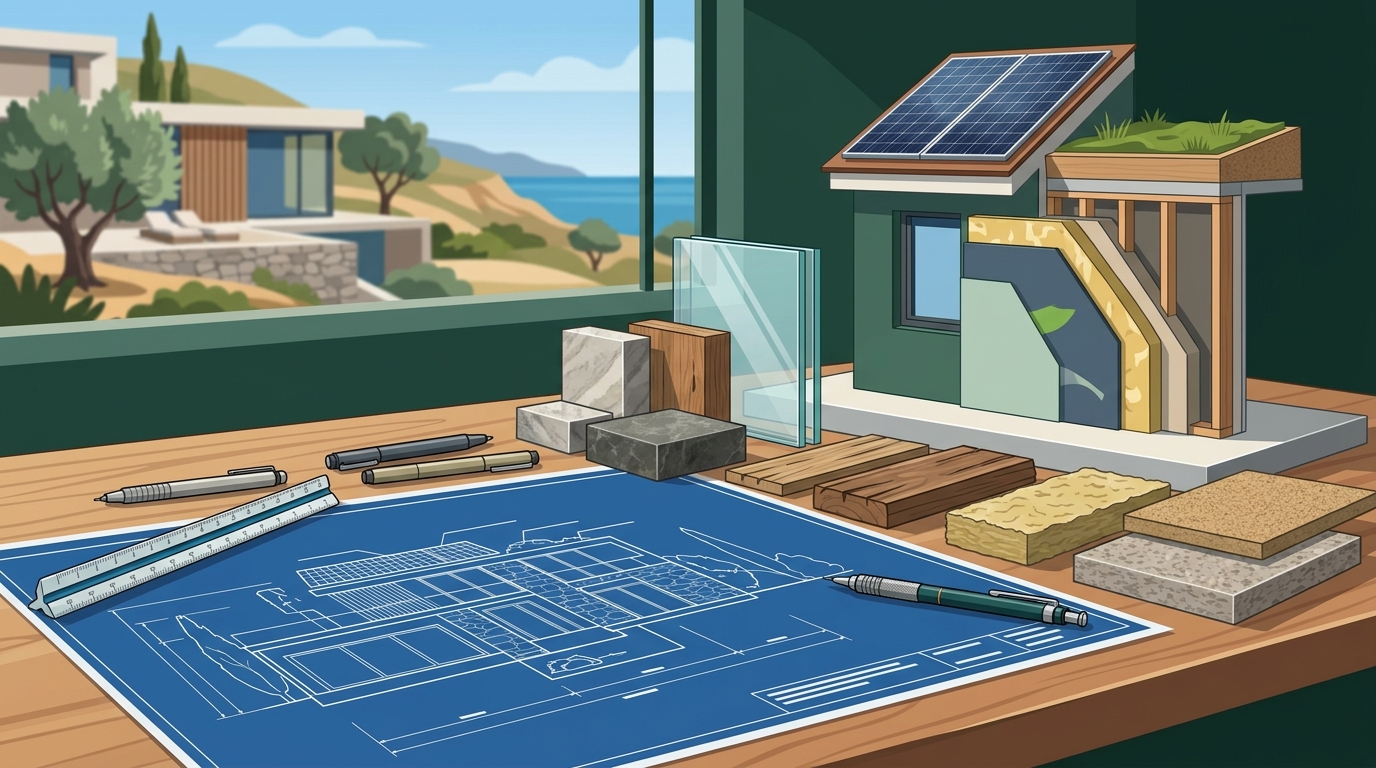
The selection of materials plays a critical role in defining the sustainability and luxury of a property. High-end developments utilize resources that are durable, aesthetically pleasing, and environmentally responsible. Local sourcing reduces transportation emissions and supports regional economies. Sustainable material procurement also ensures long-term durability and lower maintenance requirements.
Circular materiality is a procurement framework that prioritizes recycled, reclaimed, or locally sourced resources to minimize embodied carbon and support regional economies. This approach includes the use of reclaimed stone, sustainably harvested timber, and low-VOC finishes. Luxury properties often feature bespoke finishes that highlight the natural beauty of these materials. Buyers should verify that material selections align with recognized sustainability standards to ensure genuine environmental benefits.
ECLEDE projects emphasize the use of materials that complement the architectural vision while minimizing environmental impact. The focus on minimal, clean lines allows materials to speak for themselves without excessive ornamentation. This restraint reduces material waste and creates timeless aesthetic appeal. Award-winning projects demonstrate how material choices contribute to the overall success of a development. Reviewing the award-winning projects showcases the successful application of these material strategies.
Advanced Water Management Solutions
Water conservation is essential for sustainable luxury properties, particularly in regions prone to seasonal drought. Advanced water management systems integrate rainwater harvesting, greywater recycling, and smart irrigation to minimize freshwater consumption. These systems ensure that landscaping and household operations do not strain local water resources.
Properties featuring sophisticated water management offer residents peace of mind regarding resource availability and cost. Smart irrigation controllers adjust watering schedules based on weather forecasts and soil moisture levels. Greywater recycling systems treat wastewater from sinks and showers for use in toilet flushing and landscape irrigation. These technologies reduce overall water usage while maintaining the high standards expected in luxury living.
Regulatory Compliance and Certifications
Sustainable luxury properties must adhere to rigorous regulatory standards and often pursue third-party certifications to validate their claims. Certifications such as LEED, BREEAM, or local green building codes provide independent verification of environmental performance. Compliance with these standards ensures that developments meet specific thresholds for energy efficiency, water conservation, and indoor environmental quality.
Buyers should verify that properties hold relevant certifications to ensure long-term value and marketability. Certifications also facilitate financing options and insurance benefits for sustainable buildings. Regulatory frameworks continue to evolve, requiring developers to stay informed about changing requirements. ECLEDE's approach to development ensures that all projects meet or exceed current regulatory expectations.
| Feature Category | Key Components | Primary Benefit |
|---|---|---|
| Architectural Integration | Minimal lines, site harmony, biophilic elements | Enhanced well-being and environmental respect |
| Energy Efficiency | Passive design, high-performance envelope, renewables | Reduced operational costs and carbon footprint |
| Prop-Tech | IoT sensors, automation, predictive maintenance | Optimized resource usage and user convenience |
| Sustainable Materials | Local sourcing, circular materiality, low-VOC finishes | Long-term durability and aesthetic timelessness |
| Water Management | Rainwater harvesting, greywater recycling, smart irrigation | Conservation of freshwater resources |
Key Takeaways
- Vassilis Siafaricas brings over two decades of experience across luxury real estate, prop-tech, and technology ventures.
- ECLEDE philosophy centers on minimal, clean architectural lines and seamless integration with natural surroundings.
- Sustainable luxury design requires energy-efficient, future-focused construction to ensure long-term investment value.
- Prop-tech integration enables automated climate and security management for enhanced user experience.
- Circular materiality prioritizes locally sourced and reclaimed resources to minimize embodied carbon.
- Advanced water management systems reduce freshwater consumption through recycling and smart irrigation.
- Regulatory compliance and third-party certifications validate environmental performance and market value.
Frequently Asked Questions
What defines sustainable luxury design?
Sustainable luxury design combines high-end aesthetics with environmental responsibility, focusing on energy efficiency, material quality, and harmonious site integration to create enduring value.
How does prop-tech enhance luxury properties?
Prop-tech enhances luxury properties by integrating smart automation, IoT sensors, and predictive maintenance systems to optimize resource usage and improve resident convenience.
Why is material selection important in sustainable development?
Material selection impacts embodied carbon, durability, and indoor air quality. Sustainable materials like reclaimed stone and low-VOC finishes ensure long-term performance and environmental stewardship.
What role does civil engineering play in sustainable design?
Civil engineering ensures structural integrity and technical precision, enabling the implementation of advanced insulation, thermal mass, and renewable energy systems in luxury projects.
How can buyers verify a property's sustainability claims?
Buyers should request third-party certifications, review energy performance data, and examine material specifications to verify sustainability claims and ensure genuine environmental benefits.
What are the benefits of water management systems in luxury homes?
Water management systems reduce freshwater consumption through rainwater harvesting and greywater recycling, lowering utility costs and supporting regional water conservation efforts.
How does ECLEDE approach project development?
ECLEDE approaches project development holistically, ensuring each project enhances both human experience and environmental harmony through careful planning and technical execution.
Start Your Sustainable Vision
Discover how ECLEDE transforms visionary concepts into reality. Contact the team to discuss your project requirements and explore how sustainable luxury design can elevate your investment. Visit the contact page to schedule a consultation and learn more about upcoming developments.