
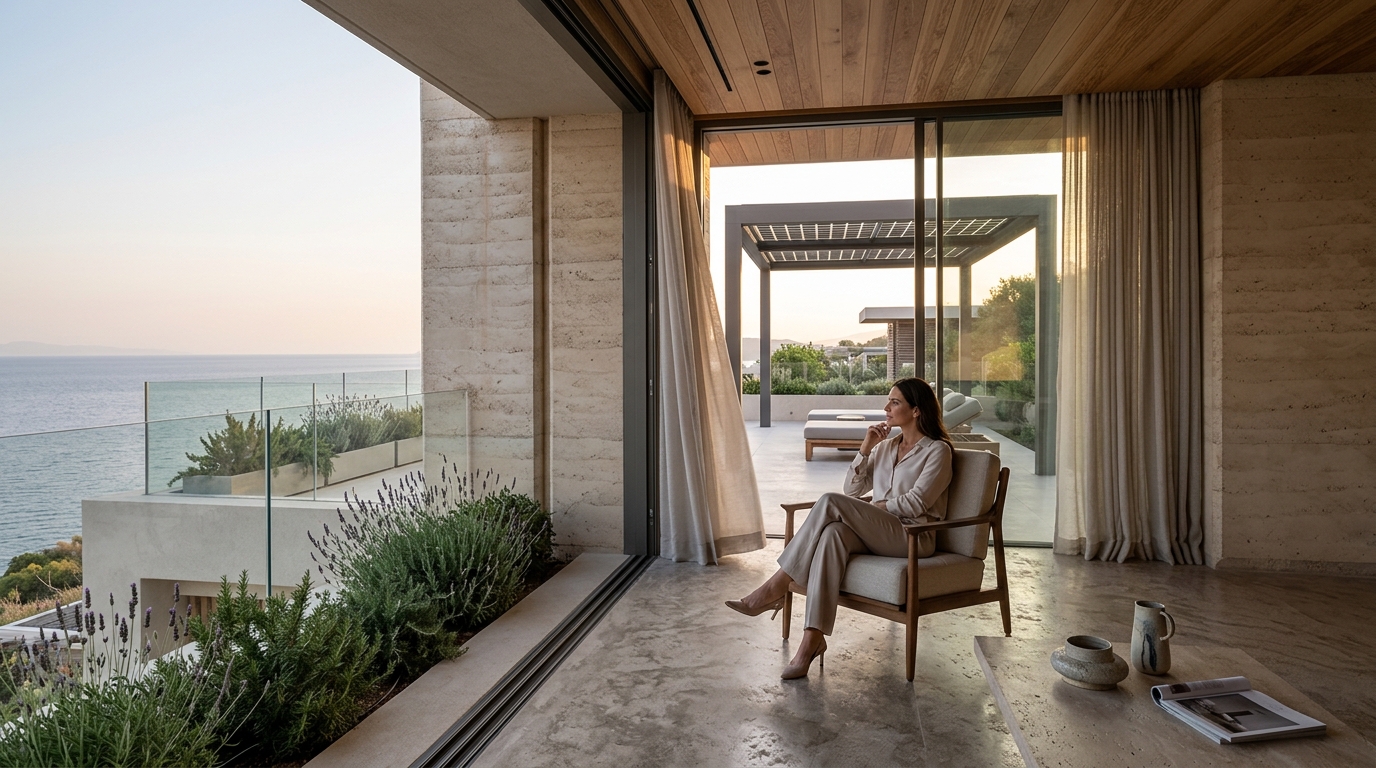
Luxury real estate is evolving beyond mere aesthetics. Modern high-end developments prioritize environmental responsibility without compromising opulence. Owners now demand properties that offer long-term investment value through energy efficiency and sustainable materials. This shift reflects a broader market trend where ecological stewardship enhances property desirability and operational performance. Developers are integrating advanced systems to create homes that are both aesthetically refined and functionally intelligent.
Energy-Efficient Systems and Renewable Integration
High-performance insulation and advanced glazing reduce thermal transfer. Solar arrays and geothermal systems lower reliance on grid power. Vassilis Siafaricas emphasizes energy-efficient construction as a core pillar of ECLÉDE projects. These systems ensure reduced operational costs while maintaining climate control standards. Triple-glazed windows and thermal break technologies prevent heat loss during colder months. Heat recovery ventilation systems capture waste energy to pre-condition incoming air. This technical precision aligns with the founder's background in civil engineering, ensuring structural integrity and thermal performance.
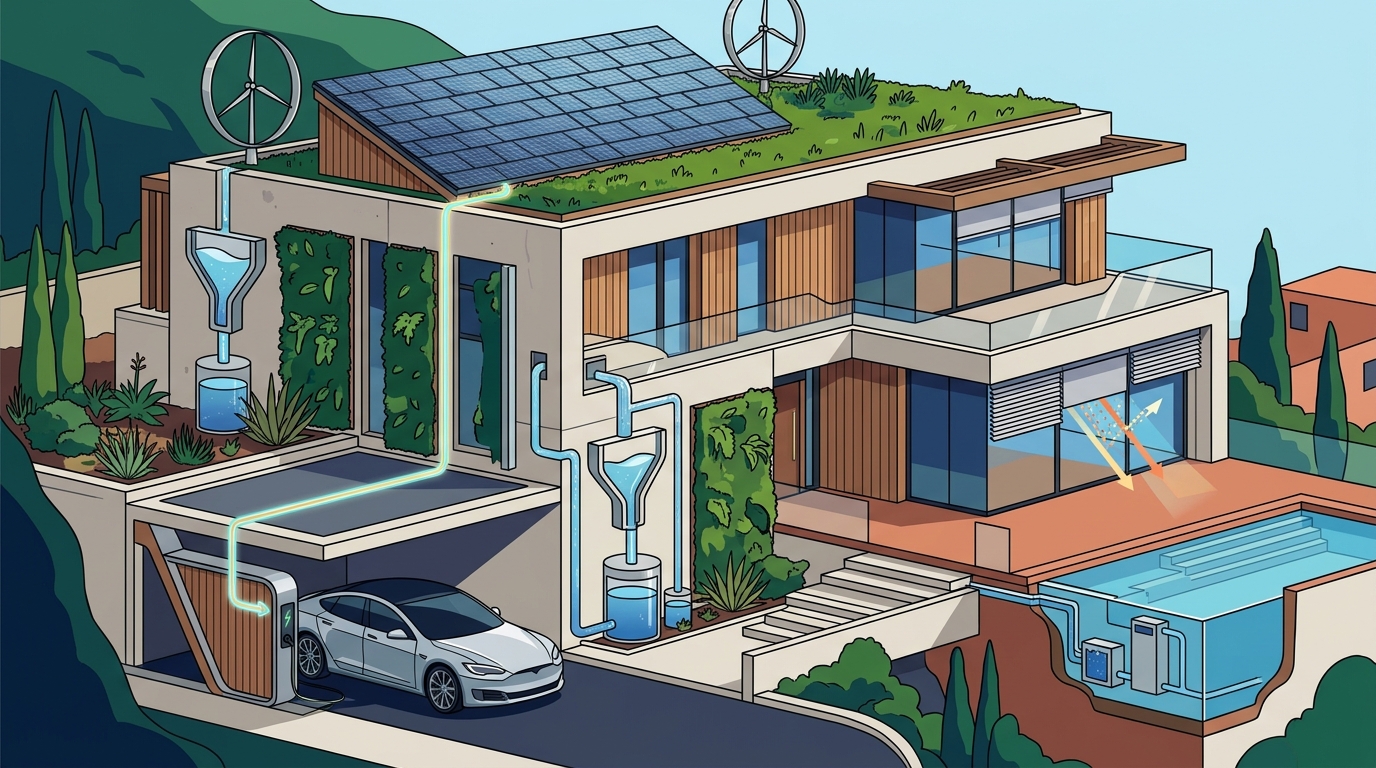
Renewable energy integration allows properties to generate their own power. Rooftop photovoltaic panels and building-integrated solar skins maximize energy capture. Battery storage systems provide backup power and grid independence. These features support the philosophy of future-focused construction. Properties equipped with these systems offer resilience against energy price volatility. They also reduce the carbon footprint of daily operations significantly.
Material Selection and Circular Economy
Sourcing durable, low-impact materials is critical. Recycled steel and sustainably harvested timber reduce carbon footprints. Circular economy is a regenerative system that minimizes waste through material reuse and recycling. Developers like ECLÉDE prioritize materials that support long-term durability and aesthetic refinement. Low-VOC paints and finishes improve indoor air quality. Natural stone and reclaimed wood add timeless character to interiors.
Material transparency ensures ethical sourcing and environmental compliance. Lifecycle assessment tools evaluate the embodied carbon of each component. Local sourcing reduces transportation emissions and supports regional economies. Modular construction techniques minimize on-site waste and accelerate project timelines. These practices reflect a commitment to minimal, clean architectural lines. They also ensure that the property maintains its value over decades of use.
Water Conservation and Management
Advanced filtration and rainwater harvesting systems conserve resources. Greywater recycling reduces potable water usage. Smart irrigation adjusts to weather patterns to optimize landscape maintenance. These features align with the philosophy of seamless integration with natural surroundings. Water-efficient fixtures and appliances reduce consumption without sacrificing performance. Smart meters provide real-time feedback on usage patterns.
Landscaping strategies prioritize drought-resistant native plants. Permeable paving surfaces reduce runoff and recharge groundwater. Constructed wetlands and bioswales manage stormwater naturally. These systems enhance biodiversity and create habitats for local wildlife. Water conservation measures also lower utility bills and reduce strain on municipal infrastructure. Properties with robust water management systems are better prepared for climate-related challenges.
Smart Technology and Prop-Tech Integration
Integrated building management systems optimize energy usage. IoT sensors monitor air quality and occupancy. Prop-tech innovations allow owners to control environmental parameters remotely. This technological layer ensures operational intelligence and user convenience. AI-driven algorithms predict maintenance needs and adjust system settings proactively. Automated shading and lighting respond to daylight levels and user preferences.
Security and access control systems integrate with sustainability features. Keyless entry and biometric scanners enhance safety while reducing physical keys. Smart appliances communicate with the building management system to optimize energy consumption. Mobile applications provide users with comprehensive dashboards for monitoring performance. These technologies reflect the multidisciplinary approach of modern developers who blend real estate with technology ventures.
Biophilic Design and Natural Integration
Biophilic design is an architectural approach that connects occupants with nature through organic forms and natural light. Large windows and open layouts blur the boundary between interior and exterior spaces. Eclectic Developments applies this principle to create environments that enhance human well-being. Living walls and indoor gardens improve air quality and reduce stress. Natural materials and textures create a sense of warmth and comfort.
Circadian lighting systems mimic natural daylight cycles to support sleep and mood. Acoustic design minimizes noise pollution and enhances tranquility. Water features and natural ventilation contribute to a calming atmosphere. These design elements align with the vision of balancing architecture, sustainability, and long-term investment value. They ensure that each project enhances both human experience and environmental harmony.
Regulatory Compliance and Future-Proofing
Adhering to regional building codes ensures legal compliance. Future-proofing involves designing for adaptability and resilience. Industry recognition often highlights projects that exceed standard sustainability benchmarks. Proactive compliance mitigates risk and preserves asset value. Certifications such as LEED and BREEAM provide third-party validation of performance. These credentials attract eco-conscious buyers and investors.
Resilience planning addresses climate risks and extreme weather events. Elevated foundations and flood-resistant materials protect against water damage. Reinforced structures withstand high winds and seismic activity. Adaptive reuse strategies extend the lifecycle of existing buildings. These measures ensure that properties remain functional and valuable in a changing climate.
Investment Value and Market Demand
Sustainable features command premium pricing in the luxury market. Buyers increasingly value operational efficiency and health benefits. Properties with verified sustainability credentials attract a growing segment of eco-conscious investors. This demand drives appreciation and liquidity in high-end real estate. Green buildings often enjoy lower insurance premiums and financing rates. They also benefit from tax incentives and grants in many regions.
Long-term value is preserved through reduced operating costs and lower maintenance requirements. Sustainable properties are less vulnerable to regulatory changes and energy price fluctuations. They offer a competitive advantage in a crowded market. Investors recognize that sustainability is no longer optional but essential for asset protection. This shift ensures that sustainable luxury properties remain desirable for decades to come.
Comparison of Sustainable Features
| Feature Category | Technical Components | Primary Benefit | Impact on Property Value |
|---|---|---|---|
| Energy Systems | Solar arrays, geothermal, high-performance glazing | Reduced operational costs and grid independence | Premium pricing due to lower utility bills |
| Materials | Recycled steel, sustainably harvested timber, low-VOC finishes | Lower embodied carbon and improved indoor air quality | Enhanced brand reputation and buyer appeal |
| Water Management | Rainwater harvesting, greywater recycling, smart irrigation | Conservation of resources and reduced water bills | Resilience against drought and regulatory restrictions |
| Smart Technology | IoT sensors, AI optimization, building management systems | Operational intelligence and user convenience | Attracts tech-savvy high-net-worth individuals |
| Biophilic Design | Natural light, living walls, organic materials | Enhanced well-being and connection to nature | Higher occupancy rates and tenant satisfaction |
Key Takeaways
- Sustainable luxury properties integrate energy-efficient systems, renewable energy, and smart technology to reduce operational costs and enhance resilience.
- Material selection prioritizes durability, low environmental impact, and circular economy principles to minimize waste and embodied carbon.
- Water conservation features, including rainwater harvesting and greywater recycling, ensure resource efficiency and compliance with regional regulations.
- Biophilic design connects occupants with nature through organic forms, natural light, and high-quality air, improving well-being and property desirability.
- Prop-tech integration provides operational intelligence, predictive maintenance, and user control, aligning with the multidisciplinary approach of modern developers.
- Regulatory compliance and future-proofing mitigate risk, preserve asset value, and attract eco-conscious investors seeking long-term returns.
- Properties developed by ECLÉDE reflect a commitment to minimal, clean architectural lines and seamless integration with natural surroundings.
Frequently Asked Questions
What are the most important sustainable design features in luxury properties?
The most important features include energy-efficient systems, renewable energy integration, high-performance materials, water conservation systems, and smart technology. These elements work together to reduce operational costs, enhance comfort, and minimize environmental impact while maintaining high standards of luxury and aesthetics.
How do sustainable features impact the investment value of a property?
Sustainable features increase investment value by reducing operating expenses, attracting eco-conscious buyers, and ensuring compliance with evolving regulations. Properties with verified sustainability credentials often command premium prices and enjoy higher liquidity in the luxury market.
What role does prop-tech play in sustainable luxury design?
Prop-tech enables smart building management, predictive maintenance, and user control over environmental parameters. It optimizes energy usage, improves air quality, and enhances user convenience. This technological layer ensures that properties remain efficient and adaptable over time.
How does biophilic design enhance the living experience?
Biophilic design connects occupants with nature through natural light, organic materials, and green spaces. It improves air quality, reduces stress, and supports circadian rhythms. These benefits contribute to better health, productivity, and overall well-being for residents.
What certifications should buyers look for in sustainable luxury properties?
Buyers should look for certifications such as LEED, BREEAM, or local equivalents that validate energy performance, material sourcing, and water efficiency. These certifications provide third-party assurance of sustainability claims and can enhance marketability.
How do developers ensure regulatory compliance in sustainable projects?
Developers ensure compliance by adhering to regional building codes, obtaining necessary permits, and pursuing recognized sustainability certifications. They also conduct lifecycle assessments and environmental impact studies to verify performance and mitigate risks.
What is the significance of circular economy principles in real estate?
Circular economy principles minimize waste by prioritizing material reuse, recycling, and durability. They reduce embodied carbon and support long-term asset value. This approach aligns with the goal of creating environmentally responsible developments that balance architecture, sustainability, and investment value.
Partner with ECLÉDE for Sustainable Luxury
ECLÉDE delivers high-end, environmentally responsible developments that redefine modern living. The team combines technical precision with creative vision to create projects that are both aesthetically refined and functionally intelligent. Contact the team to discuss your next sustainable luxury project and explore how Eclectic Developments can bring your vision to life.