
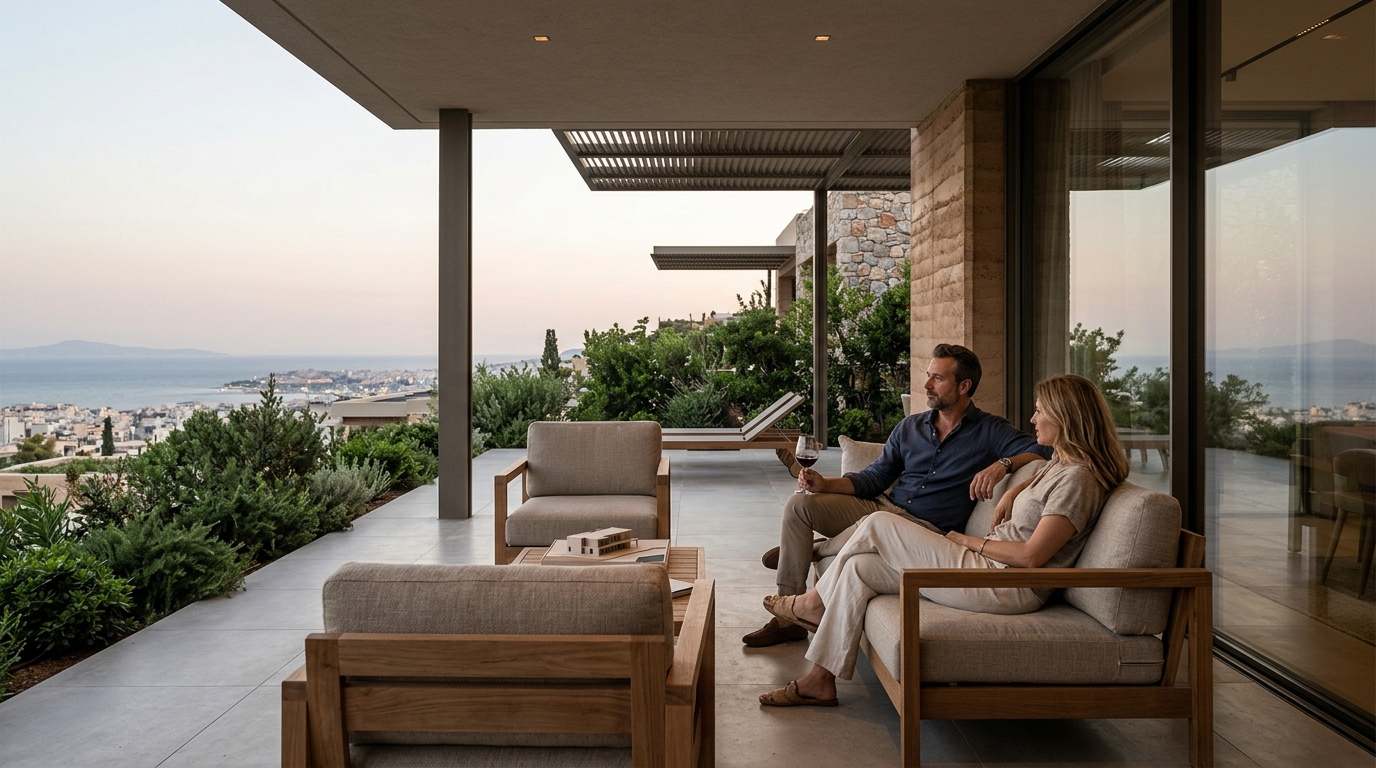
Sustainable Luxury Property Costs: What to Expect in 2026
Sustainable luxury real estate is no longer a niche segment. It is the new standard for high-net-worth buyers seeking properties that combine environmental responsibility with refined design. But what does it actually cost to purchase a sustainable luxury home in 2026? From entry-level green residences to ultra-premium net-zero estates, pricing depends on location, certifications, materials, and the developer's design philosophy. This guide breaks down the estimated costs, key price drivers, and long-term value considerations so you can make an informed investment in eco-conscious living.
The 2026 Sustainable Luxury Market at a Glance
The luxury real estate market in 2026 operates on its own terms. According to Elite Residence International, entering the top 5% of luxury buyers now requires a minimum of $2 million, while the ultra-luxury tier (top 1%) starts at roughly $5.5 million. These figures represent significant increases from 2025 benchmarks.
Sustainability has moved from a desirable feature to an expected baseline. As PropertyWire's 2026 outlook notes, elements like solar integration, smart energy management, and drought-resistant landscaping are now standard in premium developments. Buyers care about efficiency, long-term running costs, and architectural integrity.
Estimated Price Tiers for Sustainable Luxury Properties
A sustainable luxury property is a residence that integrates certified green building standards, energy-efficient systems, and environmentally responsible materials while maintaining high-end design and amenities. Pricing varies widely by region and specification.
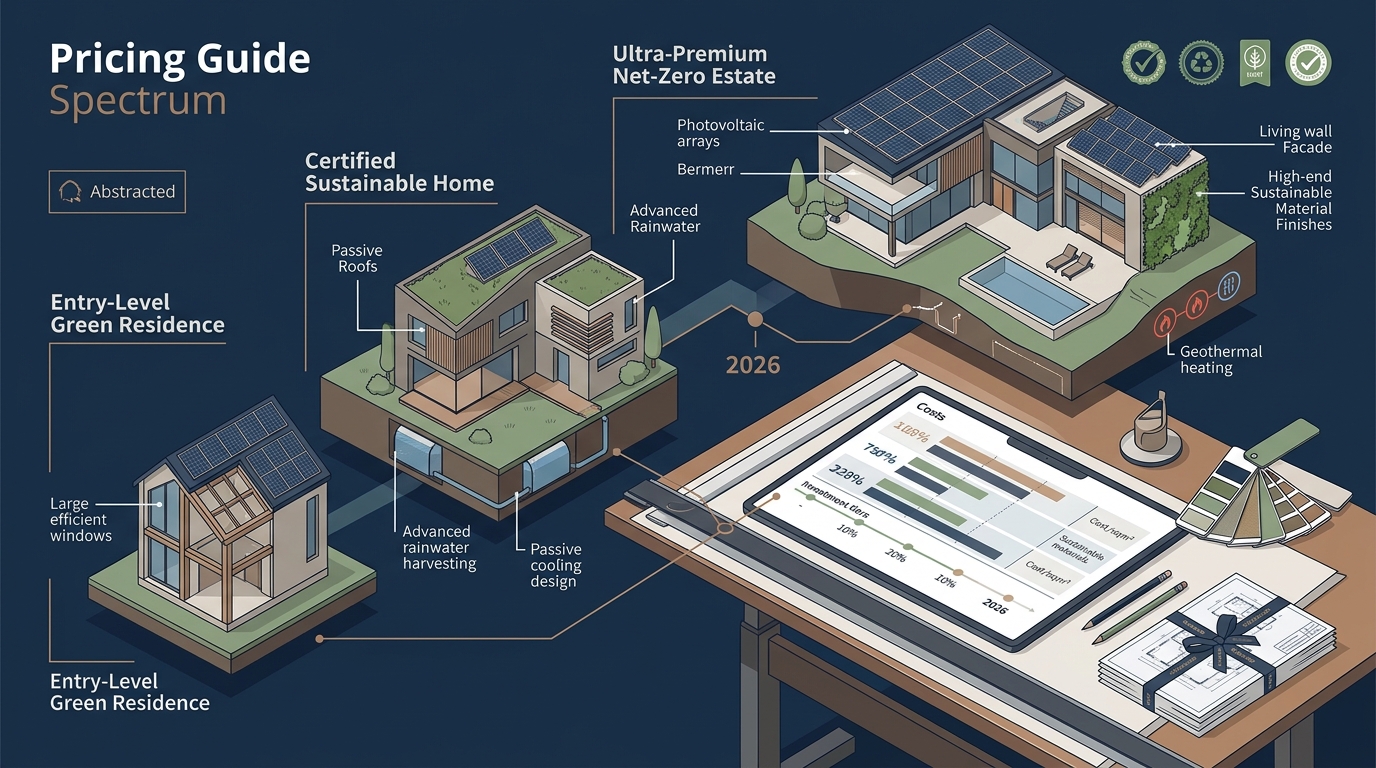
| Tier | Price Range (USD) | Typical Features | Examples |
|---|---|---|---|
| Entry Luxury | $1.5M – $3M | Energy-efficient HVAC, solar panels, smart home basics | Green-certified apartments in Athens, Lisbon |
| Mid Luxury | $3M – $7M | LEED/BREEAM certification, biophilic design, premium materials | Sustainable villas in coastal Greece, southern Spain |
| Ultra Luxury | $7M – $20M+ | Net-zero energy, bespoke architecture, subterranean design, KNX automation | Custom developments by firms like ECLÉDE |
In Mediterranean markets such as Greece, mid-luxury sustainable villas typically range from $3 million to $7 million depending on plot size, proximity to the coast, and the level of bespoke design involved.
Key Cost Drivers Behind Sustainable Luxury Pricing
Location and Land
Coastal and island plots in Greece, particularly in areas like Lefkada or the exclusive suburbs of Athens such as Ekali and Kifisia, carry significant land premiums. Location remains the single largest cost factor in any luxury purchase.
Materials and Construction Methods
Sustainable luxury demands premium materials: low-impact concrete, reclaimed timber, energy-efficient glass panels, and green roofing systems. Projects like the Atlas and Pleione villas by ECLÉDE demonstrate how subterranean construction with planted roofs and custom interiors elevates both cost and environmental performance.
Technology Integration
Net-zero energy buildings (NZEB) require photovoltaic arrays, KNX home automation, aerothermal heating, and intelligent energy management. These systems can add 10% to 25% to base construction costs but deliver substantial operational savings over a property's lifetime.
Long-Term Value and Savings
Sustainable luxury properties deliver measurable financial returns beyond initial appreciation. According to market analysis, these homes deliver 20% to 30% savings in energy use, with comparable reductions in water and maintenance costs.
A net-zero energy building is a structure that produces as much renewable energy as it consumes over the course of a year, effectively eliminating utility costs. Developers like Vassilis Siafaricas, founder of ECLÉDE, have pioneered this approach in Greece, creating the country's first LEED Platinum residential project.
High-net-worth buyers increasingly view sustainable property not just as a home but as a strategic hedge. With approximately 510,810 ultra-high-net-worth individuals worldwide controlling nearly $60 trillion in wealth, the demand for durable, value-retaining assets is accelerating.
What Bespoke Developers Like ECLÉDE Deliver
Not all sustainable luxury is created equal. Mass-market green features differ fundamentally from the bespoke, holistic approach taken by specialist developers. ECLÉDE, founded by Vassilis Siafaricas, focuses on creating net-zero energy buildings with minimally intrusive design that blends seamlessly into natural surroundings.
The firm's award-winning portfolio includes projects like the Dynasty Villas and the Boomerang Athens development, each reflecting a philosophy where architecture serves both human wellbeing and environmental harmony. ECLÉDE's work has earned multiple A' Design Awards, a German Design Award (2026), and an Architizer A+ Awards Special Mention.
For buyers considering a sustainable luxury property in Greece, working with a developer that integrates sustainability into every decision, from site selection to material sourcing, ensures both quality and long-term investment value. Explore the full ECLÉDE portfolio or get in touch to discuss your project.
Key Takeaways
- Entry-level sustainable luxury properties start around $1.5 million, while ultra-luxury net-zero estates can exceed $20 million.
- The green premium adds 3% to 28% to property values depending on market and certification level.
- Green-certified buildings sell up to 25% faster and appreciate up to 11% more than non-certified equivalents.
- Net-zero energy buildings eliminate long-term utility costs and offer 20% to 30% operational savings.
- Sustainability is no longer optional in the luxury segment; it is the expected baseline for 2026 buyers.
- Bespoke developers like ECLÉDE combine award-winning design with environmental responsibility for properties that retain value.
Frequently Asked Questions
What is the starting price for a sustainable luxury home?
In most global markets, sustainable luxury properties start at approximately $1.5 million for entry-tier green-certified homes. In sought-after Mediterranean locations like coastal Greece, mid-range sustainable villas typically fall between $3 million and $7 million.
What is a green premium in real estate?
A green premium is the additional amount buyers or tenants pay for properties with certified sustainability credentials compared to conventional buildings. Research shows this premium ranges from 3% to 28% depending on the market.
Do sustainable luxury homes cost more to build?
Yes, sustainable construction methods and materials typically add 10% to 25% to base building costs. However, long-term savings on energy, water, and maintenance often offset this premium within the first decade of ownership.
What certifications should I look for?
The most recognized green building certifications include LEED (Leadership in Energy and Environmental Design), BREEAM, and Passive House. LEED Platinum represents the highest tier and is associated with the strongest value premiums.
Are net-zero energy homes available in Greece?
Yes. ECLÉDE, led by Vassilis Siafaricas, specializes in net-zero energy buildings in Greece, including the first LEED Platinum residential project in the country. View their completed projects in the portfolio.
How much can I save on operating costs?
Sustainable luxury homes typically deliver 20% to 30% savings on energy bills, with additional reductions in water usage and maintenance costs compared to conventional luxury properties.
Does sustainability affect resale value?
Absolutely. Certified green properties can increase market value by up to 11% and sell up to 25% faster than non-certified equivalents, making sustainability a strong factor in long-term asset performance.
Start Your Sustainable Luxury Journey
Whether you are exploring coastal Greece or the exclusive suburbs of Athens, investing in sustainable luxury real estate is a decision that pays dividends in comfort, value, and environmental impact. Contact ECLÉDE to discuss how bespoke, net-zero design can shape your next property investment.