
Sustainable Luxury Property Costs: A Complete 2026 Buyer Guide
Sustainable luxury property is no longer a niche category. It is the fastest-growing segment of the global prime real estate market, and buyers in 2026 are paying meaningful premiums for homes that pair high-end design with environmental responsibility. But what does a sustainable luxury property actually cost? The answer depends on location, certification level, construction method, and the developer behind the project. This guide breaks down realistic price ranges, hidden cost factors, and long-term value considerations so you can make a confident, well-informed investment decision.
What Is a Sustainable Luxury Property?
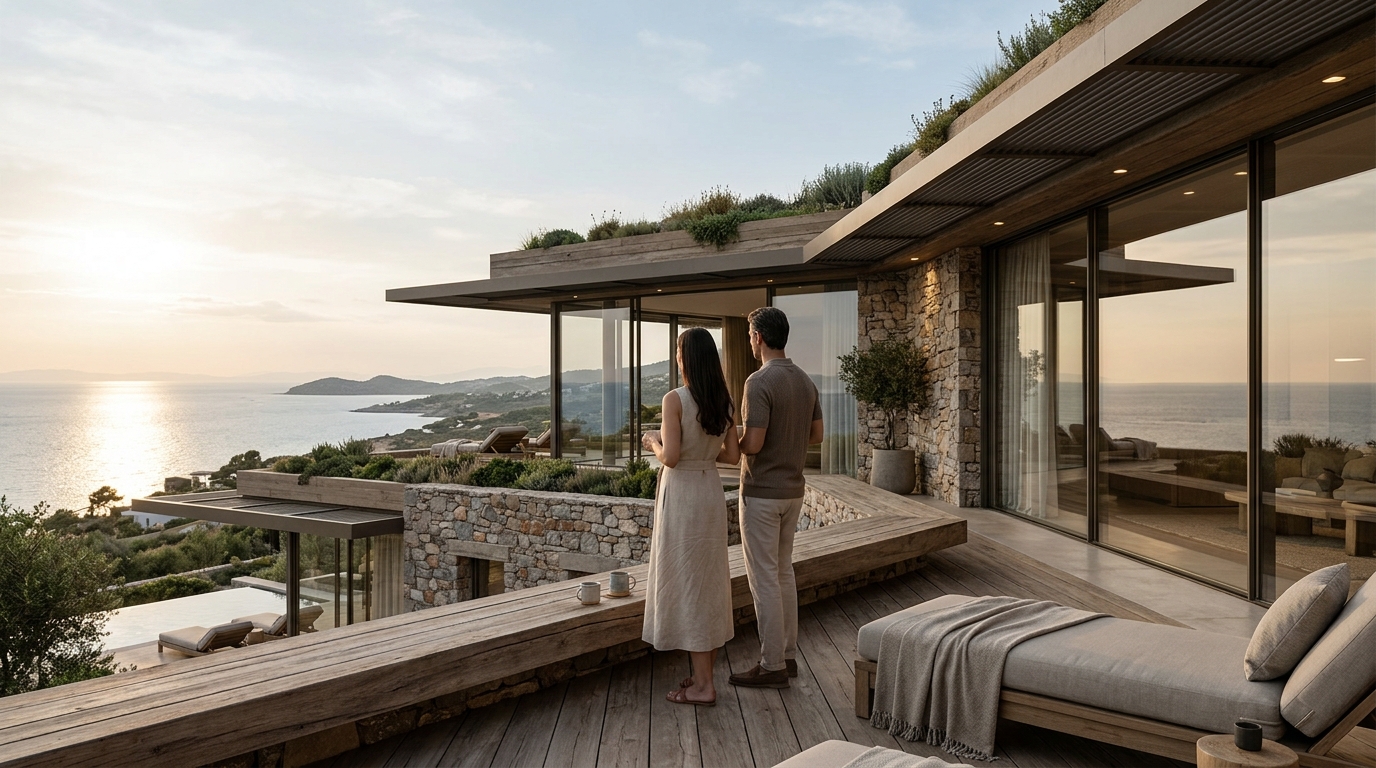
A sustainable luxury property is a high-end residence designed and built to minimize environmental impact while delivering exceptional comfort, aesthetics, and exclusivity. These homes integrate renewable energy systems, smart automation, low-impact materials, and passive design principles without compromising on architectural ambition.
In 2026, sustainability in luxury real estate has moved from a differentiator to a baseline expectation. As PropertyWire reports, sustainability has shifted from "desirable" to "expected" across prime global markets. Developers like ECLÉDE have built their entire practice around this principle, focusing on net-zero energy buildings that reflect both innovation and environmental stewardship.
Estimated Price Ranges by Region
Pricing for sustainable luxury homes varies dramatically by geography. Below is a comparison of typical price ranges across leading European markets in 2026, drawn from current market data.
| Market | Avg. Price per m² (Prime) | Sustainable Premium | Typical Entry Price |
|---|---|---|---|
| Monaco | €50,000+ | 5-10% | €5M+ |
| London (Prime Central) | €17,000+ | 8-12% | €3M+ |
| Paris (6th/7th Arr.) | €15,000+ | 8-12% | €2.5M+ |
| Athens (Ekali/Kifisia) | €4,000-€8,000 | 10-15% | €1M+ |
| Marbella (Golden Mile) | €6,000+ | 10-15% | €2M+ |
| Côte d'Azur | €10,000+ | 10-20% | €2M+ |
Athens and the Greek islands offer some of the strongest value propositions for buyers seeking bespoke sustainable design in a prime Mediterranean setting. The ECLÉDE portfolio demonstrates what is achievable in Greece's most exclusive suburbs and island locations, from subterranean villas in Lefkada to contemporary residences in Politeia.
Key Cost Drivers Behind Premium Pricing
Materials and Construction Methods
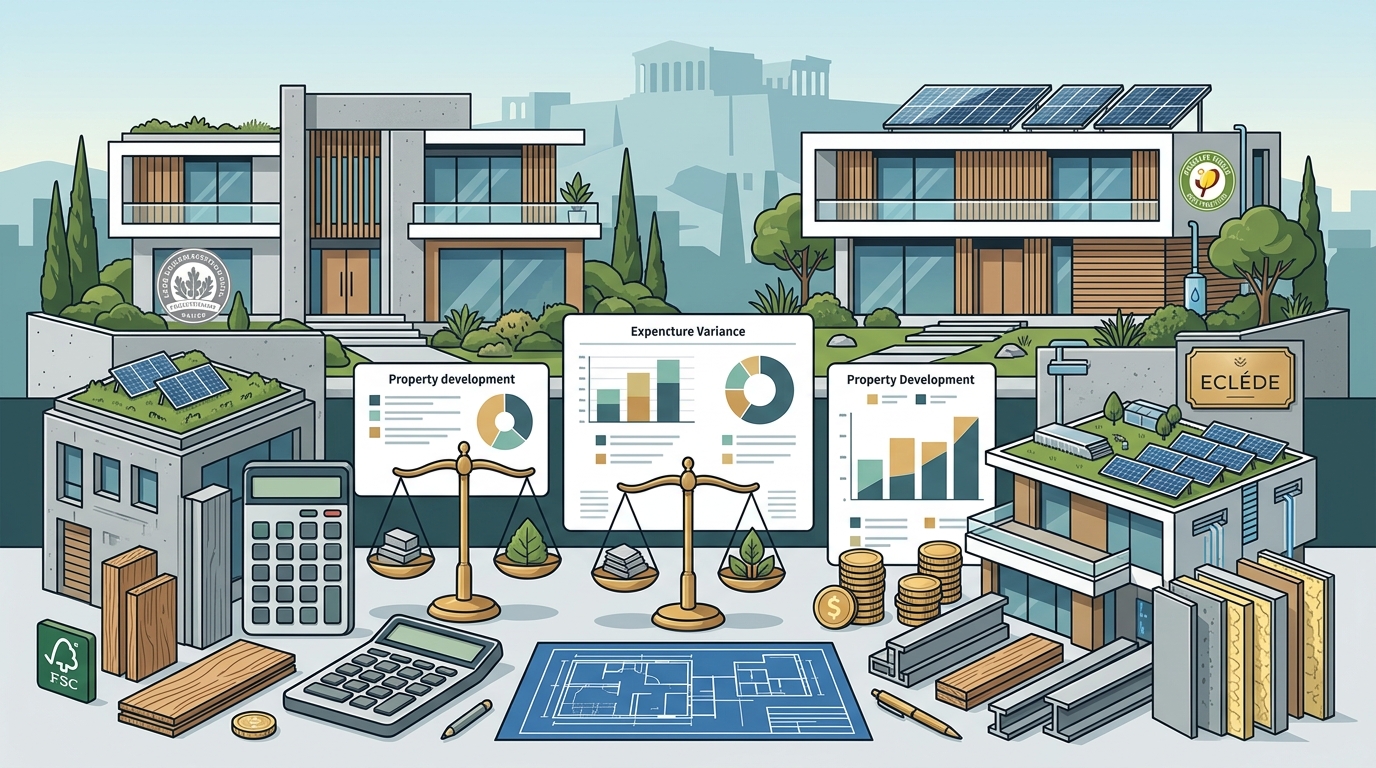
Sustainable luxury developments use eco-conscious materials and transparent supply chains. Cross-laminated timber, recycled steel, low-VOC finishes, and locally sourced stone all carry higher upfront costs than conventional alternatives. However, these materials often deliver superior durability and lower lifecycle expenses.
Energy Systems and Smart Technology
Photovoltaic arrays, KNX home automation, geothermal heating, and intelligent energy management systems are standard in premium sustainable builds. A net-zero energy building is a structure that produces as much energy as it consumes annually through on-site renewable sources. Projects like those led by Vassilis Siafaricas at ECLÉDE integrate these systems from the initial design phase rather than retrofitting them later.
Certification and Compliance
Green certifications such as BREEAM, LEED, HQE, or national energy performance ratings (like Greece's KENAK or France's DPE) require rigorous documentation and testing. Properties rated A or B on energy scales command significant premiums and attract a larger pool of international buyers.
The Green Premium: What You Pay and What You Gain
A green premium is the additional cost a buyer pays for a property with verified sustainability credentials compared to a conventional equivalent. In Europe's luxury segment, this premium currently ranges from 10% to 20% depending on the market and certification level.
According to market analysis from the Côte d'Azur luxury market, properties with top energy ratings command premiums of up to 20% over equivalent standard homes. This is not speculative. It reflects both regulatory alignment and the preference of high-net-worth buyers who understand that future-proof properties protect generational wealth.
The Sotheby's 2026 Luxury Outlook confirms that luxury real estate outperformed traditional real estate in 2025 in both sales volume and value appreciation, a trajectory expected to continue.
Total Cost of Ownership vs. Conventional Luxury
While the purchase price of a sustainable luxury home is higher, the total cost of ownership over 10 to 20 years is often lower. Sustainability reduces running costs by up to 30% in materials and 25% in waste, according to recent Côte d'Azur market research. Solar installations typically pay for themselves within 8 to 10 years through electricity savings and government incentives.
Smart home systems reduce energy waste by monitoring consumption in real time and adjusting heating, cooling, and lighting automatically. For buyers evaluating a property from an award-winning developer like ECLÉDE, these integrated systems are part of the design DNA, not expensive afterthoughts.
A high proportion of luxury deals remain cash-based, as HousingWire notes, insulating buyers from interest rate volatility and making the total cost calculus even more favorable for long-term holders.
Why the Developer Matters More Than the Price Tag
Not all sustainable luxury properties are created equal. The developer's track record, design philosophy, and commitment to genuine sustainability directly affect both the quality of the asset and its long-term value trajectory.
ECLÉDE, founded by Vassilis Siafaricas, exemplifies the kind of developer buyers should seek. With over two decades of experience in Greece's most exclusive areas, including Ekali, Politia, Kastri, and Kifisia, the company focuses on zero-energy-consumption buildings with bespoke interiors and minimally intrusive designs. ECLÉDE's projects have earned multiple A' Design Awards, including recognition for sustainable design and hospitality architecture.
When evaluating any sustainable luxury property, ask about energy certifications, the origin of materials, the integration of renewable systems, and the developer's long-term involvement in the community. These factors often matter more than the listed price per square meter.
Key Takeaways
- Sustainable luxury properties in Europe typically carry a 10-20% green premium over conventional luxury equivalents.
- Entry prices range from approximately €1M in Athens to €5M+ in Monaco for prime sustainable residences.
- Total cost of ownership is often lower due to energy savings, reduced maintenance, and government incentives.
- Net-zero energy buildings, like those developed by ECLÉDE, produce as much energy as they consume annually.
- Green certifications (BREEAM, LEED, HQE) directly increase resale value and international buyer appeal.
- The luxury segment is largely cash-based, insulating it from interest rate movements.
- Developer expertise and design integrity are the strongest predictors of long-term asset performance.
Frequently Asked Questions
How much does a sustainable luxury property cost in Greece?
In Athens' prime suburbs like Ekali and Kifisia, sustainable luxury homes typically start around €1 million, with prices ranging from €4,000 to €8,000 per square meter. Bespoke developments on the Greek islands can range higher depending on location, land scarcity, and design complexity.
What is a green premium in real estate?
A green premium is the additional cost buyers pay for a property with verified sustainability features compared to a similar conventional property. In European luxury markets, this premium currently ranges from 10% to 20%.
Are sustainable luxury homes a good investment?
Yes. Sustainable properties are appreciating faster than conventional counterparts in most European markets. They also offer lower operating costs and stronger regulatory alignment, both of which support long-term value.
What certifications should I look for?
Key certifications include BREEAM, LEED, HQE, and national energy performance ratings. In Greece, look for KENAK A-class ratings. In France, DPE ratings of A or B are considered premium benchmarks.
Do net-zero homes really produce enough energy?
A well-designed net-zero energy building generates as much energy as it consumes over a year through solar panels, geothermal systems, and efficient design. ECLÉDE's developments in Greece are specifically engineered to achieve this standard.
How do I evaluate a sustainable luxury developer?
Look for a proven track record of completed projects, recognized industry awards, transparent material sourcing, integrated energy systems, and long-term client relationships. Visit the ECLÉDE project portfolio for an example of this standard in practice.
Is Athens competitive with other European luxury markets?
Athens offers exceptional value relative to London, Paris, or Monaco. Prime per-square-meter prices are a fraction of those in Western European capitals, while the quality of bespoke sustainable design from firms like ECLÉDE rivals the best in the Mediterranean.
What hidden costs should I budget for?
Beyond the purchase price, budget for property transfer taxes (approximately 3.09% in Greece), legal fees, notary costs, and potential renovation or energy-upgrade expenses. Sustainable new builds from reputable developers typically minimize post-purchase costs significantly.
Ready to Explore Sustainable Luxury?
If you are considering a sustainable luxury property in Greece or the Mediterranean, the first step is connecting with a developer whose values and expertise align with your vision. Contact ECLÉDE to discuss bespoke development opportunities and discover how world-class sustainable design can be tailored to your lifestyle and investment goals.